Sleeve length and sleeve comfort are separate decisions. A sleeve can provide the coverage you like while feeling restrictive around the upper arm, or it can be roomy there but awkward at the elbow or cuff. When shopping for linen online, look beyond whether a sleeve is labelled short, three-quarter or long.
The best starting point is a task you want to do comfortably: reach across a table, put on a cardigan, bend an elbow or carry a bag. These observations are useful at any age. They turn a vague request for a comfortable sleeve into a conversation about the selected garment and how you intend to wear it.
Observe the upper arm and the armhole separately
The width around the upper arm is one part of the sleeve. The point where the sleeve joins the garment affects movement too. A visibly loose armhole does not automatically make raising an arm easier, and adding width to the sleeve alone may not solve a restriction elsewhere.
Try a comfortable woven shirt and note where the seam sits, how the sleeve hangs and what happens when your hands move forward. Compare with the shirt that feels wrong. Describe the difference without deciding that the armhole must be made deeper. That conclusion needs design-specific assessment rather than a general internet formula.

Check the elbow and cuff in the way you wear them
Long sleeves should be considered with the elbow bent, not only with arms straight. If you roll sleeves, check whether the fabric becomes tight in the rolled position and whether it stays there comfortably. A sleeve that feels fine unrolled may behave differently once folded several times.
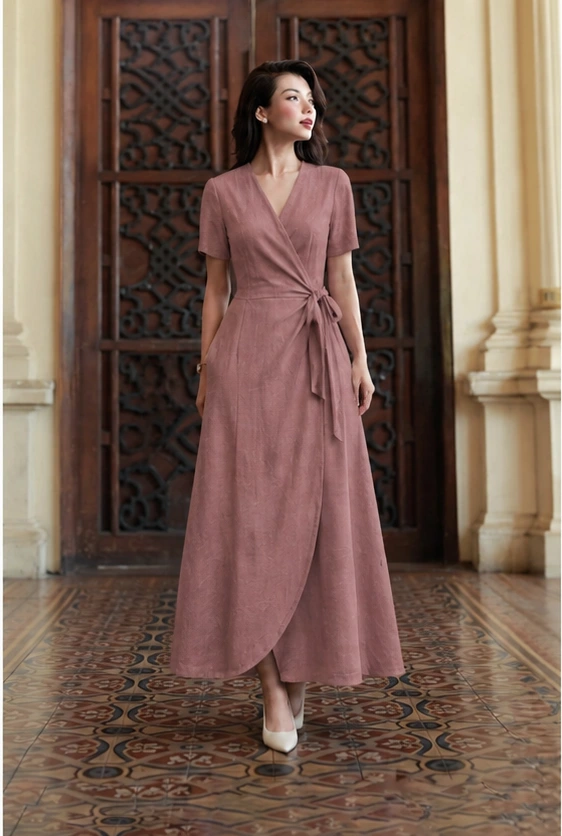
For a cuffed shirt, ask about the opening and fastening if they matter to you. Do not assume the cuff can be altered, widened or replaced without review. For a shorter sleeve, decide whether you want the hem above the elbow or below it on your body; the model’s photograph is a reference, not a guaranteed finished position for every wearer.
Distinguish room from excessive fabric
Some people enjoy a generous sleeve as part of the silhouette. Others want easy movement with less fabric around the arm. Both are valid preferences. Explain whether the desired result is a loose visual shape, a closer shape with sufficient movement room, or room for an underlayer.
If a larger standard size solves the upper arm but makes the shoulders and body much wider than you want, that is useful information. It may suggest a proportion question rather than a need to size up again. A custom discussion should preserve the parts of the design you like while clarifying the accepted changes.
Test the complete layering plan
Try the sleeve under the knitwear or jacket you expect to use. Two roomy pieces do not necessarily layer comfortably: fabric can gather around the armhole or bunch inside a narrow outer sleeve. Conversely, a closer shirt sleeve may feel good alone but leave too little room for another top underneath.
Tell the studio the intended combination. “I will wear this shirt over a light sleeveless top and sometimes under a cardigan” supplies more context than “make the sleeve loose.” If you have an outer layer that limits the available room, it is worth considering that constraint before choosing a very full sleeve direction.
Record measurements without adding guessed ease
Ask for the studio’s preferred measuring method. If upper-arm circumference is requested, provide the actual body figure as directed and label it clearly. If measuring a sleeve laid flat, say that it is a garment measurement and show the measuring position if needed. These two kinds of measurement cannot be substituted silently.
Do not inflate a body figure to create extra room unless that method has been agreed. The pattern may already include design-specific ease. Instead, write the comfort requirement separately: “I prefer room around the upper arm and do not want the sleeve gripping when I bend my elbow.” The studio can then confirm what additional information is needed.
Choose a suitable starting design
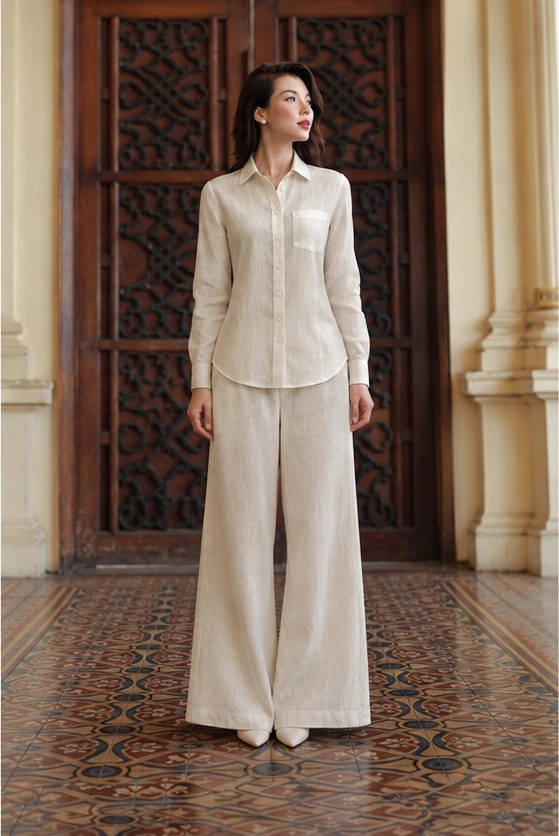
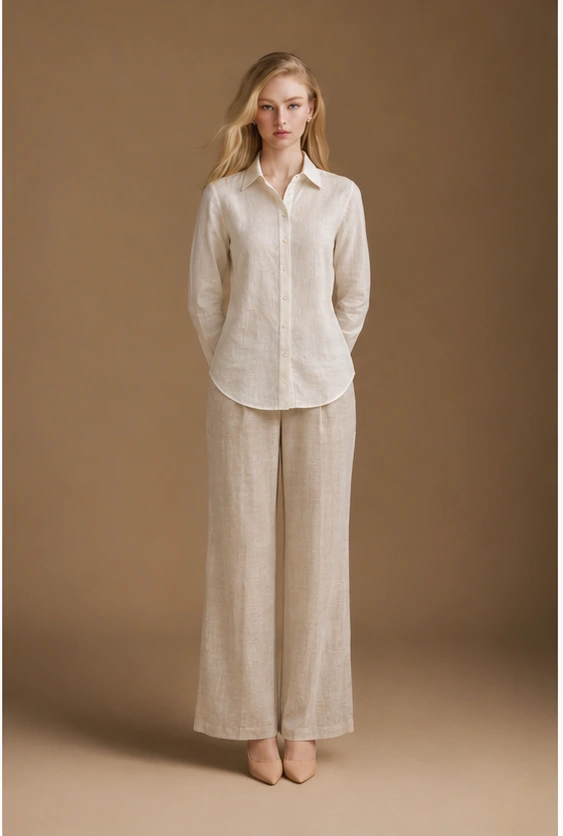
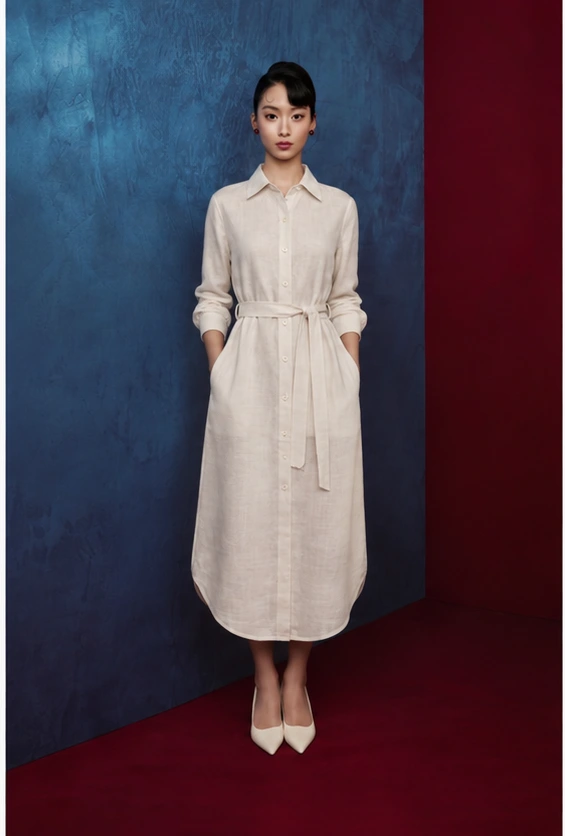
Compare product photographs and descriptions for the sleeve direction you actually enjoy. The Dawn Women’s Linen Shirt and Everyday Women’s Linen Shirt are starting points to discuss, while the shirt-dress suggestion below lets you consider sleeves within a complete garment. These are design references, not promises of a particular alteration.
LINENELLAR’s made-to-measure option adds 20% to the selected retail product price. Its single note box is optional, so you can begin with a plain-language concern and confirm the details with the studio before making. Keep a copy of the agreed sleeve, length and fit information for reference.
Comfortable sleeves should support the activities you choose without dictating how you move. Paying attention to the whole sleeve, rather than upper-arm width alone, gives you a better basis for that decision.
Continue reading
Pieces to explore
Three designs to compare with the ideas in this article. Open each product for current pricing, available choices and construction details; confirm any requested fit or design change with our studio.