
Linen Dresses for Women Over 60: Finding Your Own Style
A good linen dress should make getting dressed easier, whether your day involves a market visit, a working lunch or an evening with friends. Turning 60 does not prescribe a neckline, hem length or palette. The useful question is which details you enjoy wearing now, and which ones you keep adjusting throughout the day.
Start with an outfit you already like rather than a list of age rules. Notice where its shoulder sits, whether the waist is defined, and how much fabric falls around the hips. Those observations give an online studio more useful information than asking for a dress that is simply flattering. They also help separate a style preference from a fit problem.
Choose the shape before choosing the shade
A shirt dress, a wrap design and a shift create different relationships with the body. A shirt dress introduces a front opening and a vertical line. A wrap design draws attention to the waist and needs its overlap considered when you sit. A shift gives a less defined outline, but still needs enough room through the upper back and hips. None is automatically the best option for a mature customer.
Imagine three ordinary moments: standing at a kitchen counter, sitting at lunch and reaching for a bag. If you prefer waist definition standing but dislike pressure sitting, discuss belt placement and bodice room rather than immediately choosing a larger size. If you like a straight silhouette, check that the skirt allows a comfortable stride. Visual looseness in a photograph is not a movement test.

Make coverage specific
More coverage can mean several different things: a sleeve that reaches the elbow, an opening that stays in place when leaning forward, or a hem that covers the knee while seated. Name the situation, not just the body area. A photograph may show a neckline lying neatly on a standing model without revealing what happens at a dining table.
For example, “I would like the neckline to feel secure when I lean forward to pick up my handbag” is a useful brief. It does not imply that an existing pattern can be changed without review. Ask the studio which listed design offers the closest starting point, then confirm any proposed adjustment before making.
Use the wardrobe you already own
Take out the shoes, bag and light layer you actually use. A dress that only works with shoes you avoid will have a narrow role in your wardrobe. If you wear flat sandals, assess the hem with those sandals. If you often carry a cardigan, consider whether its length competes with the dress waist or whether its sleeves fit comfortably over the dress sleeves.
Try a simple first combination: dress, familiar shoes and one accessory. Add a necklace or scarf only if you miss it. The aim is a repeatable outfit, not a requirement to look minimal. A colourful print scarf, substantial earrings or a favourite brooch can be the most personal part of the outfit.
Check the fabric separately from the silhouette
An appealing design photograph cannot establish how every available shade will look in your lighting. Examine the linen colour library and ask about the selected fabric if opacity is important. Colour, weave, lining and what you wear underneath all affect the result. Do not assume that all pale linen is transparent or that every dark option is fully opaque.
Natural creasing also belongs in the decision. Ask yourself whether you enjoy an easy, lived-in appearance or want a more pressed finish for a particular occasion. Use the garment’s care guidance when deciding how it fits your routine; do not rely on a universal hot-wash or tumble-dry rule for linen.
A useful comparison exercise
Compare two dresses you own, one worn often and one rarely worn. Record what happens after an hour in each. Does a waist seam feel restrictive? Do you keep pulling down the hem? Are the pockets useful or positioned awkwardly for you? Measure the comfortable garment using a consistent method, and label those figures as garment measurements rather than body measurements.
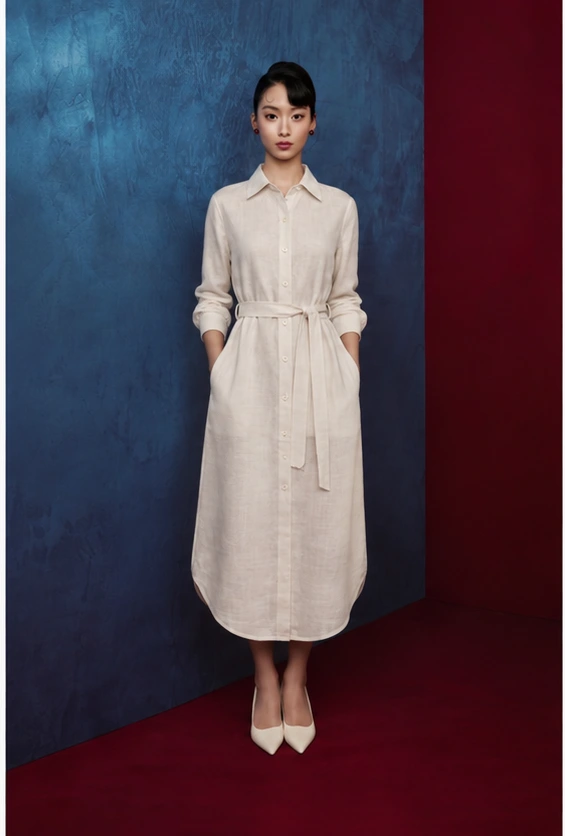
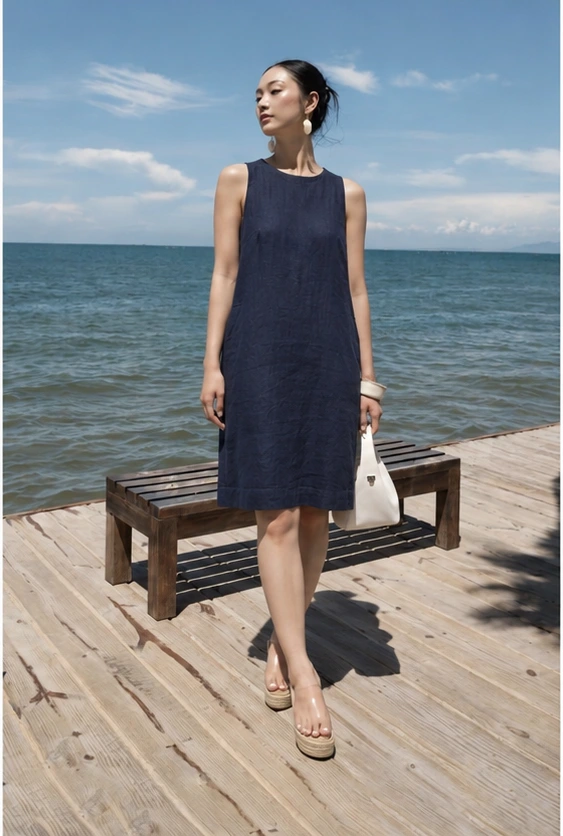
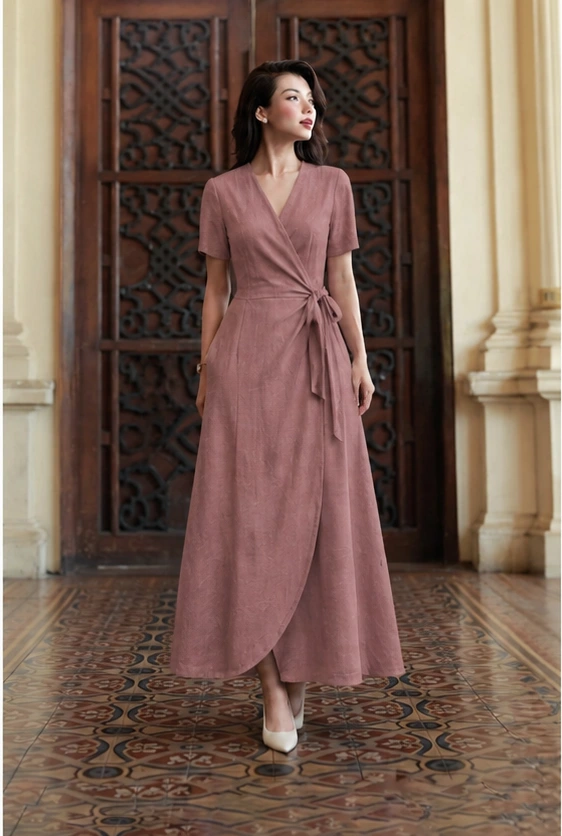
For a LINENELLAR starting point, the Sunday Linen Shirt Dress offers a shirt-dress direction, while the Still Linen Shift Dress and Bloom Linen Wrap Dress provide different silhouettes to compare. Choose by the design details, not an imagined age category for the model in the photograph.
Before you order
Confirm the chosen design, shade, sleeve and finished-length expectations, plus any fit concern that needs discussion. Standard sizing may work well; made to measure is another route when the proportions you need differ. LINENELLAR’s custom option adds 20% to the selected product price, with one optional note box. You may leave it blank and discuss details with the studio before making.
If you are buying for an event, allow separately for making and delivery instead of treating dispatch as arrival. If you are buying for everyday wear, use the same care over fit. The most successful dress is often the one you put on repeatedly without reconsidering whether it suits your age.
Continue reading
Pieces to explore
Three designs to compare with the ideas in this article. Open each product for current pricing, available choices and construction details; confirm any requested fit or design change with our studio.
Linen for a Family Reunion: An Outfit That Feels Like You
A family reunion can combine several occasions in one: a journey, a shared meal, photographs and time with relatives you have not seen recently. It is understandable to want to look considered without spending the day managing your clothes. Linen can be a useful direction if its appearance, care and fit suit you.
Start with the version of yourself you want to bring to the gathering, not a rule about what a mother, grandmother or older relative should wear. You might prefer a dress, a shirt and trousers or a coordinated set. The right choice is the one that suits the setting and lets you participate comfortably.
Establish what the day actually involves
Ask whether the reunion is at someone’s home, a restaurant, an outdoor venue or several locations. Check the expected formality and whether there is a family colour request for photographs. A casual afternoon and a booked celebration meal can need different styling even if both are called a reunion.
Think about travel too. If you will arrive after a long drive or train journey, decide whether to travel in the outfit or change on arrival. Neither is inherently better. The choice depends on comfort, available space and how you want the garment to look for the main part of the day.
Put seated comfort near the top of the list
Meals and conversation can take longer than expected. Check a comparable outfit while seated, including the waistband, neckline and sleeve. A dress that feels easy standing may need its wrap overlap checked at the table; trousers may need more careful consideration of rise and waistband position.
Observe what you usually adjust in existing clothes. If you keep pulling a shirt down or loosening a belt, mention that in a fit discussion. A useful brief explains the activity: “I want to sit comfortably through a long family lunch while keeping a fairly defined waist.” That is clearer than asking for a larger size without identifying the concern.
Plan photographs without letting them dominate the purchase
Check whether there is an agreed colour direction or a particular backdrop. If there is, choose within that context and ask about the selected fabric when an exact match matters. Screen photographs cannot guarantee identical colour under different lighting, so leave time to clarify any important coordination question.
An outfit should also work when the camera is put away. Choose shoes you can stand and walk in, a bag you can use and a neckline that stays as you prefer during conversation. A dramatic detail that needs constant repositioning may not be the best choice for this particular day, even if you love it in another setting.
Use one familiar element as an anchor
Bring a favourite accessory, cardigan or pair of shoes into the outfit plan. Familiar pieces can make a new linen dress or shirt feel more like yours. There is no requirement to buy a matching set of occasion accessories or to choose a restrained palette because of your age.
If you enjoy colour, use it deliberately. If you prefer a quiet outfit, a small personal detail can carry the interest. Try the full combination in advance so you know whether a necklace sits comfortably at the neckline or a cardigan covers a detail you wanted to show.
Consider practical coverage and layers
Coverage can be about sleeve length, a seated hem or an opening that feels secure when leaning forward. Identify the specific preference and check it in the selected design. Do not assume an ordinary linen sleeve provides a tested level of sun protection or that a darker shade guarantees opacity.
If the gathering moves between indoors and outdoors, test an appropriate layer over the outfit. Check the sleeve space and whether it closes if needed. Choose separate weather protection for the forecast. A beautifully coordinated light cardigan does not necessarily provide what a cold or wet evening requires.
Discuss the order early enough to make decisions calmly
The linen colour library and product detail photographs help narrow a choice, but any essential fit or design request should be confirmed before making. LINENELLAR’s made-to-measure route adds 20% to the selected product price. The single note box is optional, and the studio confirms details with you before production.
Allow separately for making and shipping, then leave time to try the outfit with your shoes and layer. If the reunion date is close, ask about feasibility before ordering. An estimate should not be treated as a guaranteed arrival promise.
The suggestions below give several directions for a family gathering. Choose the one that supports the day you expect and the way you like to dress. Looking like yourself in the family photograph is a worthwhile aim; feeling like yourself for the rest of the gathering matters just as much.
Continue reading
Pieces to explore
Three designs to compare with the ideas in this article. Open each product for current pricing, available choices and construction details; confirm any requested fit or design change with our studio.

Linen Outfits for a Summer Birthday Celebration
A summer birthday can mean a small lunch, a garden gathering or an evening celebration. The season alone does not determine what to wear, and a milestone birthday does not require a completely unfamiliar style. A linen outfit can feel special through its shape, shade and the way you finish it, provided those choices suit the actual event.
Whether you are the guest or the person celebrating, begin with what you want to enjoy during the day. Perhaps you will host, sit through a long meal or move between several places. Those details help decide which garment features deserve attention before accessories and photographs enter the plan.
Identify the setting and your role
Check the venue and invitation. If you are a guest, follow any stated dress code rather than assuming summer means casual. If you are hosting, think about the tasks you will do: greeting people, carrying items or sitting with guests. A sleeve or fastening you love for one role may feel inconvenient in another.
Consider the timing too. An afternoon outfit may need another layer by evening, while an indoor venue may have conditions different from outside. Check the forecast and the venue’s practical information. Choose appropriate weather protection separately instead of expecting linen to suit every change in temperature.

Choose the silhouette that feels celebratory to you
Some people feel most dressed up in a waist-defined dress; others prefer a generous shift or a well-chosen shirt and trousers. None is inherently more suitable for a particular age. Look at an outfit you already enjoy at celebrations and identify what makes it work: the neckline, the line of the skirt, the sleeve or the simplicity of separates.
Use that observation to choose a listed design. A wrap direction requires attention to overlap and waist comfort. A straight dress needs comfortable movement through the hips and hem. Trousers need their rise and length considered with the planned shoes. The visual category alone does not settle fit.
Make colour a personal decision
A birthday is a good occasion to wear a shade you enjoy, but it need not be brighter than your normal wardrobe. You can introduce colour through the linen piece or through an accessory. If you are coordinating a family photograph or a host’s palette, clarify the expectations before choosing.
Compare options in the linen shade library and against the shoes, bag and layer you own. If an exact match matters, ask about fabric confirmation rather than relying on screen appearance. If coverage under strong light is a concern, discuss the selected fabric and construction as well as the colour.
Check the outfit during the celebration’s ordinary movements
Sit at a table, reach forward and walk in a comparable outfit. If hosting, think about whether a loose sleeve needs attention while serving. If wearing a belt, check it after sitting for a while. If a neckline feels secure only when you stand straight, decide whether another design would make the day easier.
These checks do not mean abandoning a style you like. They give you specific questions for the studio. “I like this shape but want comfortable upper-arm room for moving around while hosting” is a better starting brief than “make it suitable for my age.”
Finish the outfit with a manageable number of changes
You may only need one distinctive accessory to move an everyday linen outfit towards a celebration. Try a different pair of earrings, a bag or a layer you already reserve for occasions. If you prefer several accessories, wear them; the useful test is whether you enjoy them through the event rather than only in a mirror.
There is no need to introduce heels if you prefer flats. Choose the actual footwear early and check the hem accordingly. For outdoor venues, consider the ground as well as appearance. A full-length trouser or dress should be planned with practical clearance rather than allowed to trail for a photograph.
Leave time for a full try-on
An outfit is not fully checked until the garment, shoes, underlayers and outer layer have been tried together. Make time for that before the birthday. Review the garment’s care instructions and avoid relying on an untested last-minute wash or alteration to resolve a fit issue.
LINENELLAR offers standard sizing and made to measure at a 20% surcharge on the selected product price. Notes are optional and the studio confirms details before making. For a fixed date, review making and delivery stages and ask about timing before ordering if the schedule is tight.
The pieces below offer different celebratory directions to explore. Choose according to the event and the way you want to feel in it. A birthday outfit can be special without becoming a costume, and comfortable without giving up the details that make dressing enjoyable.
Continue reading
Pieces to explore
Three designs to compare with the ideas in this article. Open each product for current pricing, available choices and construction details; confirm any requested fit or design change with our studio.

Choosing Your First Linen Shade from the Clothes You Already Own
Twenty-seven linen shades can be an invitation to experiment, but they can also make a first order feel harder than it needs to be. Instead of choosing a colour in isolation, use the wardrobe you already own as the starting point. A shade earns its place when it works with the clothes and accessories you want to keep wearing.
There is no universal best linen colour for mature customers. Age does not prescribe beige, pale blue or any other palette. Your existing preferences, the role of the garment and the combinations you can actually make are stronger guides than a list of supposedly age-appropriate colours.
Start with three complete outfits you repeat
Lay out three outfits you genuinely wear, including shoes and a bag. Notice which colours appear repeatedly and which pieces do most of the work. You may discover that a favourite shoe colour connects several outfits, or that one cardigan is the reason a particular shade gets worn often.
Write down the role of the new linen piece. A shirt that needs to work with two existing bottoms asks a different colour question from a dress worn as a complete outfit. A coordinated set can be considered together, but still think about whether you want to separate it into other combinations later.

Create a small comparison group
Choose three possible directions from the linen colour library: one familiar shade, one that coordinates with familiar clothes, and one that feels more adventurous. Compare each with the actual items you plan to wear. Do not keep every possible colour in contention; narrowing the group makes the decision more useful.
For a shirt, place the reference shades beside your trousers or skirt. For trousers, consider the tops and shoes you use most. For a dress, compare the layer, bag and footwear. A colour that looks beautiful by itself but requires several additional purchases may still be worthwhile, but that should be a conscious choice.
Distinguish coordination from an exact match
Two similar shades do not have to be identical to work together. Sometimes a clear contrast looks more intentional than a near-match. If exact matching is important, explain that to the studio and ask what fabric information or confirmation is available. A screen image alone is not a physical colour standard.
Lighting and display settings can change how a shade appears. Product photographs show a garment in a particular setting, while a swatch helps compare the fabric direction. Use both, and avoid assuming that a colour name from another retailer means the same shade. Names are useful labels, not universal specifications.
Think about underlayers and coverage
Colour is only one part of opacity. Weave, weight, construction, lining, lighting and what you wear underneath can all influence the result. Do not assume every white garment needs a slip, or that any dark shade guarantees complete coverage. Ask about the particular fabric and design if this matters for your use.
Include the underlayer in your outfit test. A top that coordinates from the outside may reveal a contrasting layer you did not intend to show. Conversely, a deliberate underlayer can be part of the look. The important point is to decide before ordering, rather than discover that the outfit needs a new foundation garment afterwards.
Consider how much colour you want in the outfit
You may prefer a quiet base with a colourful accessory, or a strong linen shade with familiar neutral shoes. A tonal group can make separates feel connected; contrast can make one piece the focus. Neither direction is more appropriate for a particular age.
If you are uncertain, use the proposed colour in the garment role with the clearest existing partners. For example, a first linen shirt may be easier to judge if it works with two trousers you already like. That is a practical reason to start small, not a rule that your first purchase must be conservative.
Check the decision against the real calendar
Ask where you expect to wear the piece in the next few months. An occasion shade may be a good choice if the event matters, while an everyday colour may offer more repeated use. Do not let a theoretical capsule wardrobe overrule a colour you enjoy and have a real plan for wearing.
Before confirming, record the selected shade, garment and intended combinations. If ordering made to measure, note that LINENELLAR’s 20% surcharge concerns the selected product price and fit route; it does not make every design change automatic. Discuss fit and colour as separate decisions.
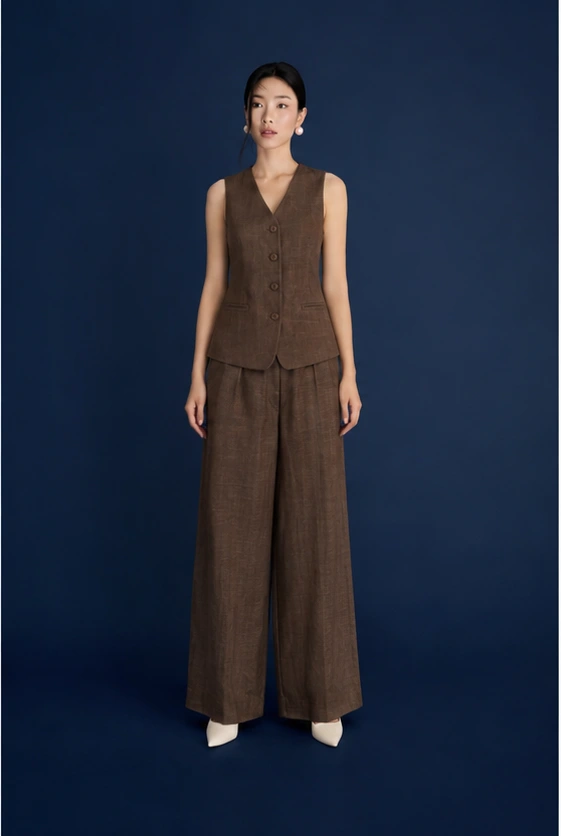
The pieces below offer different ways to introduce a first linen shade. Use their photographs as design references, then choose your fabric through the available options. The most useful first colour is the one that joins your wardrobe with a clear purpose and leaves you looking forward to wearing it.
Continue reading
Pieces to explore
Three designs to compare with the ideas in this article. Open each product for current pricing, available choices and construction details; confirm any requested fit or design change with our studio.
Linen Outfits for a Garden Party: Comfort, Coverage and Dress Code
A garden party sounds like a simple dressing brief until the details arrive: a lawn, an afternoon meal, photographs, a possible cool evening and a particular level of formality. Linen can be a direction to consider, but the fabric name alone does not answer those questions. Start with the invitation and the setting, then choose a silhouette you enjoy wearing.
For a mature customer, the goal is not to look younger or to follow a fixed rule about coverage. It is to feel appropriately dressed and comfortable through the actual event. A dress, a coordinated set or a shirt with trousers can each be worth considering, depending on the host’s expectations and your own preferences.
Clarify the invitation before choosing the outfit
Check whether the event is an informal gathering, an organised lunch or a celebration with a stated dress code. Ask the host if the wording is unclear. “Garden” describes a setting; it does not establish whether casual shoes, shorts or a particular outfit style are acceptable.
Also confirm the practical arrangement. Will you be standing, sitting at a table or moving between indoor and outdoor spaces? Is there cover if it rains? Knowing these details can change the choice of hem, layer and shoes more than choosing between two similar fabric shades.
Let the ground influence the shoe and hem
Choose shoes suitable for the surfaces you expect, then assess the linen outfit with them. There is no need to introduce high shoes if you do not want them. For full-length trousers or a long dress, check the back hem and an ordinary walking stride so the fabric is not planned to trail across the ground.
If you are ordering a custom length, describe the intended shoe and waistband or shoulder reference as appropriate. Do not rely only on the model’s photographed length. Different body proportions and garment designs can produce a different finished position, even when the size label is the same.
Test the seated version of the outfit
A garden lunch may involve hours at a table. Check waistband pressure, sleeve room and neckline position while sitting and leaning forward normally. If you choose a wrap design, assess the overlap when seated as well as standing. These are useful checks for any wearer, not a reason to exclude a whole silhouette.
Use a comparable garment at home to identify what you want. “I like a defined waist but need it comfortable for a long seated meal” is a clearer brief than “make it loose.” If a specific change is needed, confirm it with the studio before assuming the selected design can accommodate it.
Make coverage a deliberate choice
Decide which details matter to you: an elbow-length sleeve, a secure neckline, a longer skirt or room for an underlayer. Describe the desired result in the event context. A sleeve chosen for personal coverage is not the same as clothing with a tested sun-protection rating; do not infer a protective performance claim from ordinary linen.
If fabric opacity is important for outdoor photographs, ask about the selected colour and construction. The shade library can guide the direction, but photographs and screen images cannot establish every lighting outcome. Consider the underwear or slip you plan to use as part of the complete outfit.
Choose a layer that works, not just one that matches
A cardigan, jacket or open shirt may be useful when the temperature changes. Try it over the linen piece and check the sleeves together. If you intend to fasten the layer, assess that position too. A coordinated colour is not enough if the fabric bunches or the fronts pull when you sit.
Carry or store the layer in the way you expect at the event. If it will spend much of the afternoon on your arm or in a bag, include that in your plan. Choose appropriate weather protection separately if the forecast calls for it; a light styling layer is not automatically rainwear or sufficient warmth.
Keep accessories connected to the way you dress
A garden setting does not require a floral palette. You can choose a linen shade that works with your existing bag and shoes, then add jewellery or a scarf you enjoy. One deliberate detail can make an everyday dress feel more celebratory without creating an outfit that feels unfamiliar.
If the event has photographs or a colour request, clarify that early. Do not order a shade solely from a small screen sample when an exact match matters. Tell the studio what you are trying to coordinate and ask what confirmation is available before making.
Order around arrival, not just dispatch
LINENELLAR’s making and delivery guidance separates making from shipping. Allow time for confirmation, transit and trying the outfit before the event. If timing is tight, ask before ordering rather than treating a listed estimate as a guaranteed arrival date.
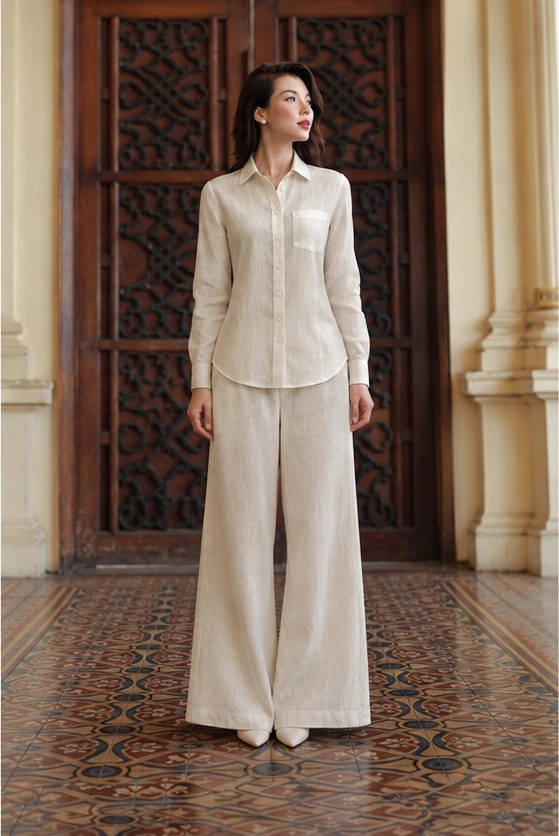
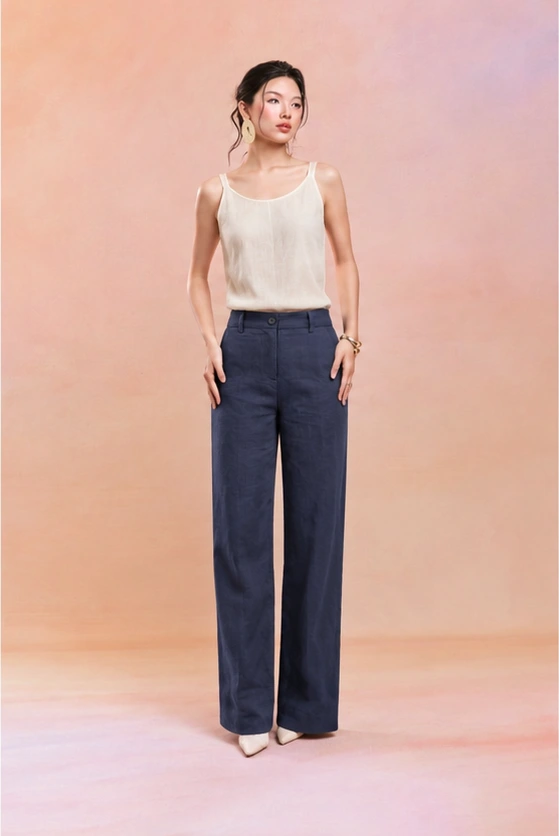
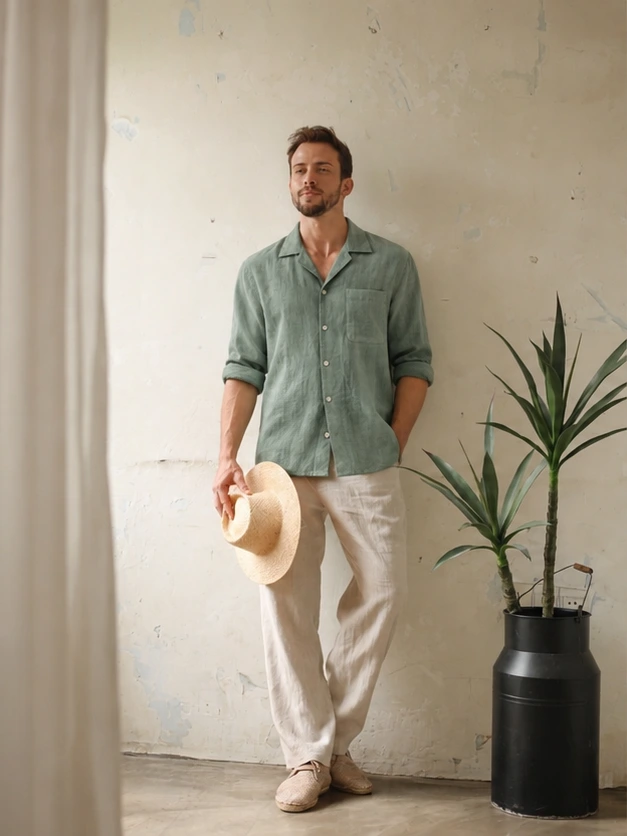
The dresses and set below are design directions to explore, not universal garden-party uniforms. Standard sizes may suit you; made to measure adds 20% to the selected product price, with optional notes and details confirmed before making. Choose the outfit that meets the event’s requirements while still feeling natural to wear.
Continue reading
Pieces to explore
Three designs to compare with the ideas in this article. Open each product for current pricing, available choices and construction details; confirm any requested fit or design change with our studio.
Linen Outfits for a Cruise: What to Check Before You Pack
A cruise wardrobe has to serve a specific itinerary, not an abstract idea of resort dressing. Days ashore, time on board and evening venues may ask for different combinations. Linen can be part of that wardrobe, but a useful packing plan begins with your cruise line’s current guidance and the conditions of your route.
There is no single linen packing list that suits every cruise or every older traveller. You may enjoy dresses, prefer trousers or want a small group of separates. The aim is to avoid bringing attractive pieces that do not work with your shoes, the planned activities or the dress requirements of the venues you want to use.
Read the current guidance for your own sailing
Check the cruise line’s official information for the ship, restaurants and events on your itinerary. Do not rely on a general claim that cruises are casual or that linen is always acceptable at dinner. Requirements can differ by venue and sailing, and your booking information is the appropriate starting source.
Then consider the shore itinerary. A day involving extensive walking, a place with specific visitor dress expectations and a beach visit are different clothing situations. Confirm those requirements with the relevant official provider rather than expecting one outfit formula to cover them all.

Build complete combinations before counting pieces
Lay out a daytime combination and an evening combination for each main type of activity. Include shoes, underlayers and a layer for changing conditions. If one shirt works in two combinations, that is useful; if it only works with an unpurchased pair of trousers, it is not yet a complete packing plan.
A linen shirt might be worn with familiar trousers during the day and a different bottom at dinner, if the setting allows. A dress may move between contexts through a change of layer and accessories. These are possible outfit strategies, not a promise that the garment’s material makes it suitable for any dress code.
Fit trousers to the shoes you will actually pack
If walking shoes are central to the trip, check hem clearance with them. If you pack a second shoe for evenings, test the same trousers with that pair too. Decide whether one length works with both or whether different garments have separate roles. Do not assume a photographed full-length trouser will clear your own shoe.
Seated comfort matters during travel and meals. Check waistband position and rise in a comparable pair before ordering. A roomy leg does not establish an easy seated fit. Explain the intended use to the studio, especially if a previous pair has been comfortable standing but restrictive at a dining table.
Plan layers as a system
You may encounter different indoor and outdoor conditions on the same day. Try a linen shirt, cardigan or jacket together rather than packing layers that have never met. Check upper-arm room, sleeve bunching and whether the outer layer closes if you need it to.
Also decide where the removed layer will go. A shirt worn open over a top should still work with the rest of the outfit when fastened, if that is part of your plan. Suitable outerwear for rain, wind or colder conditions is a separate decision based on the forecast and itinerary; linen alone is not a weather solution.
Ask about laundry before relying on it
Consult the ship’s actual laundry arrangements and compare them with each garment’s care instructions. Do not assume every service uses a process appropriate for every linen garment. If you cannot confirm suitable care, bring enough alternatives or plan another approved method rather than testing an unsuitable wash while away.
Use the linen care guide and the instructions supplied with the particular garment. Natural creases may be part of the look you enjoy, but if a pressed appearance is important for an evening, establish how you will achieve it safely and what equipment is permitted on board. Check the cruise line rather than guessing.
Leave time for a complete try-on at home
New clothes should be tried as full outfits before departure. Sit, walk and check the layer with the intended shoes and bag. Record any fit question while there is still time to discuss it. Do not make the trip’s first evening the first occasion you have worn the combination.
For LINENELLAR custom orders, the surcharge is 20% of the selected product price, with one optional note and details confirmed before making. Making and delivery are separate stages; allow an arrival buffer for trying the garments rather than equating a shipping estimate with your departure date.
The pieces below are wardrobe starting points to compare against your own sailing plan. A smaller set of tested outfits usually gives a clearer packing decision than a large collection of pieces chosen only because they look like cruise clothing.
Continue reading
Pieces to explore
Three designs to compare with the ideas in this article. Open each product for current pricing, available choices and construction details; confirm any requested fit or design change with our studio.
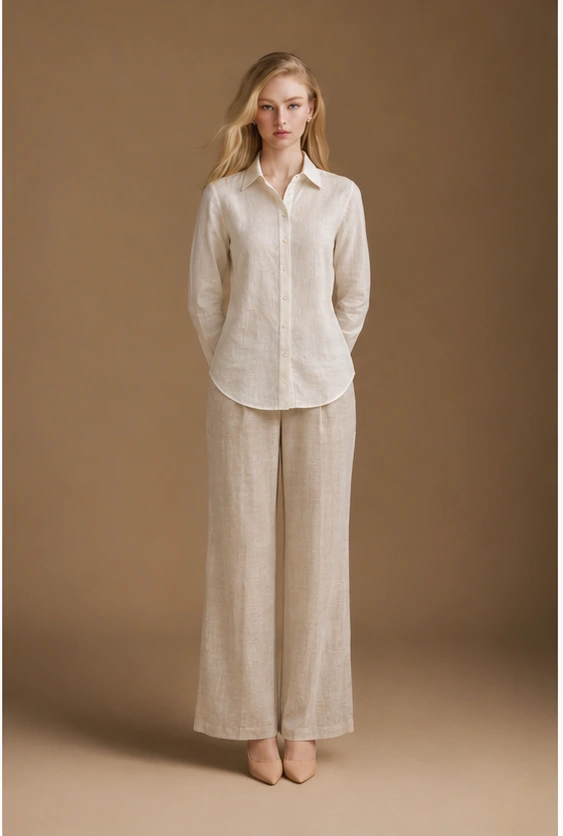

How to Wear Linen with Comfortable Walking Shoes
If an outing involves walking, the shoes you trust deserve a place at the beginning of the outfit plan. Linen can sit comfortably alongside walking shoes in a personal, considered combination. You do not need to disguise practical footwear or pretend it has the same shape as a delicate sandal.
This is a clothing and styling guide, not advice on selecting footwear for a medical condition. Use shoes appropriate to your own needs and the conditions of the outing. The linen outfit can then be chosen around their shape, the expected weather and the way you want to dress.
Build around the actual day
An urban museum visit, a coastal stroll and a long day of sightseeing involve different surfaces and opportunities to change. Write down the likely conditions: outdoor temperature, indoor cooling, rain risk, transport and meal plans. Linen is one part of the clothing system; it does not replace suitable outerwear for wet or cold conditions.
Decide whether you want trousers, shorts or a dress before worrying about a fashionable formula. Each can work with substantial shoes. The choice should reflect your coverage preferences and activities. A dress is not automatically less practical, and trousers are not automatically easier; their construction and length determine much of the experience.

Make hem clearance a priority
Try the reference outfit with the walking shoes, including the socks you will wear. Check the hem from behind as well as from the front. A length that nearly touches the ground indoors may be inconvenient outside, particularly when the fabric moves or the ground is damp.
Do not shorten trousers solely by comparing inseams between unrelated designs. Waistband position and rise affect where the hem finishes. For a custom discussion, explain the shoe and the intended clearance, then follow the studio’s measuring method. The aim is a confirmed finished result, not a guessed number copied from a different pair.
Let the shoe’s visual weight belong in the outfit
A fuller trouser leg can relate well to a substantial shoe, while a cleaner straight line offers another direction. Neither requires a tight top for balance. Try the shirt length you enjoy, then compare a tuck, an open layer or a simple untucked finish. Keep the version you can wear without frequent adjustment.
For a dress, consider the whole outline rather than whether the shoe is conventionally dressy. A straightforward dress shape with a useful layer can make the shoes feel intentional. An accessory you already use, such as a structured bag or coloured scarf, may connect the outfit more effectively than adding several decorative pieces.
Check pockets, bags and layers together
An outfit for walking has to accommodate what you carry. Test whether a crossbody strap pulls the neckline or whether a bag repeatedly catches on a sleeve. Heavy items in trouser pockets can affect both the drape and seated comfort. These are practical checks, not reasons to avoid pockets altogether.
If a shirt will be worn as a layer, confirm room for the top underneath. If it will be carried when removed, consider whether that suits your bag and your routine. A hypothetical layering plan is less useful than trying the actual combination before a trip. Keep an alternative if the forecast changes.
Consider the transition to lunch or an indoor visit
You may want an outfit that works for both walking and sitting with friends. Check the waistband and upper-back room while seated, not only the stride. If a venue has a dress code, verify it separately; a neat linen outfit and walking shoes do not automatically meet every restaurant or club requirement.
An easy change can be a different layer or one accessory rather than a complete outfit replacement. For example, a shirt over a simple top can be removed or fastened depending on the setting. Treat this as an adaptable styling idea, not a guarantee about a particular garment’s thermal performance.
Give the studio the practical context
Instead of “I want travel trousers,” explain: “I will wear these with walking shoes, spend time on foot and sit for lunch. I prefer this waistband position and a hem that stays clear of the ground.” Ask which measurements and design details need confirmation. If upper-arm or rise comfort is a concern, mention it directly.
LINENELLAR’s custom option adds 20% to the selected product price; notes are optional and details are confirmed before making. Check the care instructions too, especially if you intend to wash clothing while away. Do not assume every garment can use the same hotel laundry process.
The product suggestions below offer several clothing directions to compare with the walking shoes you already know. The successful combination is the one that supports the outing and still feels like your style when you see yourself in it.
Continue reading
Pieces to explore
Three designs to compare with the ideas in this article. Open each product for current pricing, available choices and construction details; confirm any requested fit or design change with our studio.
Linen and Knitwear: Easy Combinations for Cooler Days
Linen does not have to leave the wardrobe as soon as the day feels cooler. A linen shirt, dress or pair of trousers can be combined with knitwear when the conditions and your own comfort allow. The useful question is how the layers fit and function together, not whether linen belongs to one fixed season.
A cardigan you already love is a good starting point. Put it beside the linen piece you are considering and think about when the combination will be worn. A cool indoor lunch and a cold outdoor evening are different situations. Add appropriate outerwear when needed rather than expecting a linen-and-knit combination to cover every forecast.
Check sleeve space before colour coordination
A roomy linen sleeve may bunch inside a narrow cardigan sleeve. A close shirt sleeve may move more easily under the knit but feel restrictive on its own. Try comparable pieces together, bend your elbows and reach forward within your normal comfortable range. Notice where fabric gathers and whether you keep adjusting it.
Do not assume that buying a larger cardigan solves every layering issue. It may add body width while leaving the sleeve shape unsuitable. Likewise, making a linen shirt smaller to fit an outer layer can remove the relaxed outline you wanted. Consider whether a different pairing would preserve both pieces’ intended shapes more successfully.
Decide what each layer contributes
A cardigan can provide an extra layer, change the silhouette or frame the shirt front. A pullover can leave a neckline or hem visible. An open knit can create a different visual effect from a dense knit. Choose the role you need rather than adding layers simply because the outfit appears more styled.
If you intend to fasten the cardigan, check that it closes comfortably over the linen piece. An open-front photograph does not prove a closed fit. If you prefer it unfastened, make sure the fronts fall where you like and that a bag strap does not continually move them. These small practical details affect whether you repeat the outfit.
Compare lengths with the full outfit
A short cardigan over a shirt dress can leave its waist detail visible; a longer layer can soften the outline. Over trousers, a linen hem showing below knitwear can be deliberate, but the amount should suit your preference. There is no universal rule about how many centimetres may show.
Try the combination with the intended shoes and look from the side. Check whether the shirt collects around the lap when seated or whether a long cardigan interferes with pockets. If you are considering a custom shirt length, use this complete outfit as the context rather than deciding from the shirt alone.
Use texture and shade to connect existing pieces
Linen and knitwear already introduce two surface textures, so a small palette can make coordination straightforward. That does not require neutral colours. A favourite blue cardigan, for example, can guide the choice of a complementary linen shade. Compare against actual clothes where possible rather than relying entirely on screen images.
The linen colour library helps narrow your direction. If an exact match matters, ask about the selected fabric rather than assuming two photographed colours will match under your lighting. A coordinated contrast may be easier to enjoy than chasing an uncertain near-match.
Plan for removing a layer
The linen piece should still feel like a complete outfit when the knitwear comes off. Check neckline, sleeve and underlayer preferences on their own. If you only feel comfortable with the cardigan covering a particular area, decide whether that is practical for the conditions you expect.
This is particularly useful for travel and days with different indoor temperatures. Think about where the removed layer will go and whether the bag can hold it. A good layering plan includes that ordinary moment, not just the attractive version where every piece stays neatly in place.
Respect both garments’ care needs
Read care instructions separately. A linen garment and a knitted layer may require different washing, drying or storage methods. Do not wash them together solely because their colours coordinate. Check LINENELLAR’s care guidance alongside the specific instructions supplied with each item.
If you are ordering a linen piece specifically for layering, say what it will go over and under. LINENELLAR’s made-to-measure option adds 20% to the selected product price, with one optional note and confirmation before making. A useful brief describes the layer and the movement you need rather than simply requesting extra fabric everywhere.
Start with one combination and wear it through an ordinary day. Notice sleeve comfort, length and how often you remove the knitwear. That experience will tell you more about extending your linen wardrobe than a seasonal rule or an entirely new shopping list.
Continue reading
Pieces to explore
Three designs to compare with the ideas in this article. Open each product for current pricing, available choices and construction details; confirm any requested fit or design change with our studio.
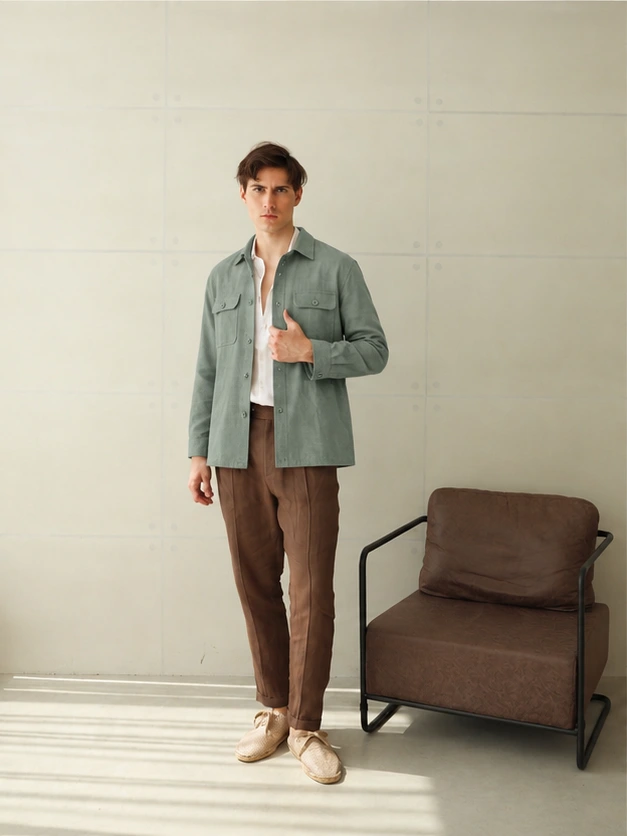
One Linen Dress, Three Occasions: Everyday, Lunch and Celebration
A versatile dress is not one that can be made suitable for every invitation. It is one that works for several situations you actually encounter, without requiring a new purchase each time. An ordinary afternoon, lunch with friends and a relaxed celebration can share a dress while asking for different shoes, layers or accessories.
Begin with a design you like wearing on its own. If its neckline, sleeve or waist needs constant adjustment, accessories will not solve that problem. Establish comfortable fit first, then build three complete outfits from pieces you already own. The exercise is practical: can you put each version on and leave the house feeling ready?
Choose the dress by its everyday role
Think about the occasion that happens most often. If daytime use dominates, prioritise the sleeve, pockets, hem and care routine that suit those days. If family lunches are frequent, seated comfort may matter more than a dramatic standing outline. A less frequent celebration can influence accessories without dictating the entire purchase.
A shirt dress, wrap dress and shift offer different bases. A shirt dress introduces a front opening; a wrap design brings an overlap and waist fastening to consider; a shift gives a straighter direction. Read the selected product details rather than assuming every design within those names functions in the same way.
Outfit one: an ordinary day
Use the shoes and bag you already reach for. Keep accessories at the level you normally enjoy, whether that is a favourite watch or several pieces of jewellery. If the dress has a removable belt and you want to wear it differently, check the effect and comfort rather than assuming removing the belt always improves ease.
Walk, sit and reach for the items you usually carry. Check whether the hem works with those shoes and whether the bag strap disturbs the neckline. This first outfit is the foundation. If it only looks right with carefully arranged fabric and a special pose, reassess fit or length before planning more elaborate versions.
Outfit two: lunch with friends
A change of shoe or bag may be enough, but check the setting. A long lunch involves sitting and perhaps walking between venues. Consider whether the waist remains comfortable, whether a wrap overlap feels secure and whether the neckline behaves as you prefer when leaning towards the table.
Add a cardigan or jacket if the environment calls for it. Try the sleeves together and check the layer both open and fastened if you expect to wear it both ways. A necklace, scarf or earrings can alter the emphasis without changing the dress. Choose an item you enjoy wearing through the meal, not one that needs constant attention.
Outfit three: a relaxed celebration
Read the invitation before styling. A birthday lunch, garden celebration and evening reception may have different expectations. Confirm any dress code, venue conditions and weather plan. A linen dress can be a direction to consider, but the material alone does not establish formality or suitability.
Choose one deliberate change from the lunch outfit: a more distinctive accessory, a different layer or a bag you reserve for occasions. There is no requirement to add high shoes. If you prefer flats, use them and check the hem accordingly. The aim is a version that feels celebratory while remaining recognisably yours.
Know when one dress is being asked to do too much
If one event requires a very different level of formality, coverage or weather protection, another outfit may be the better choice. Versatility should not become pressure to make every garment serve every purpose. It is reasonable for a favourite dress to cover two common situations and leave a specialist event to something else.
Also consider laundering time between events. Consult the garment’s care instructions and allow enough time for the recommended process. Do not depend on an untested laundry service or a last-minute alteration to make the third outfit possible.
Make the first order precise
Choose a shade that connects with the accessories and layers in your three plans. Use the colour library as a starting point and ask about fabric coverage when relevant. If a finished length or fit detail is essential, discuss it before making rather than relying on the model’s proportions.
LINENELLAR offers standard sizing and made to measure at a 20% surcharge on the selected product price. One optional note can explain the intended use, with details confirmed before making. The dress suggestions below offer different silhouettes to compare, not a promise that one shape will suit every occasion.
Keep a quick record of the three complete outfits once you find combinations you like. The value of a versatile dress is not an impressive claim on a product page; it is the ease of knowing how you will wear it next time.
Continue reading
Pieces to explore
Three designs to compare with the ideas in this article. Open each product for current pricing, available choices and construction details; confirm any requested fit or design change with our studio.
Linen Clothing That Is Easy to Put On: Openings, Buttons and Fit
The moment of putting a garment on is easy to overlook when shopping online. A dress may look relaxed once worn, yet have an opening you find inconvenient. A shirt may fit well but use a fastening arrangement you do not enjoy. Choosing clothing that is easy for you to put on begins with those everyday preferences, not with assumptions about age.
This guide is about assessing ordinary garment features. It does not establish that a listed product is adaptive clothing or suitable for a particular medical need. If you require a specific functional opening or modification, ask the studio to confirm it rather than relying on a photograph or a general description of comfort.
Trace the complete dressing sequence
Think through the garment from beginning to end. Does it go over the head, open at the front or fasten elsewhere? Does a waistband need to pass over the hips? Are cuffs fastened before or after putting on the shirt? These details can make two apparently similar garments feel quite different in use.
Use a favourite existing piece to identify the sequence you prefer. Perhaps a full front opening is welcome, or perhaps you prefer fewer buttons. There is no single arrangement that is easiest for everyone. Naming the preferred sequence is more useful than asking for a garment that is simply suitable for older people.
Do not confuse a roomy body with a generous opening
A loose silhouette does not necessarily tell you how wide the neck, armhole or waistband opening is during dressing. A garment can have ample room at the waist and still need to pass over the shoulders in a particular way. Read the fastening information and ask if it is unclear.
Similarly, a close-looking garment may have a useful opening that is not obvious in the first photograph. Check the detail images and construction description before ruling it out. The question is how the garment functions, not only how much fabric appears around the model once it is on.
Assess buttons and cuffs as practical details
Consider the number and location of fastenings you are willing to use. A button-front design can offer flexibility, but only if you like operating those buttons. Cuffs may be a separate decision from the front opening. If you expect to leave them open or roll the sleeves, ask how the selected design supports that use.
Do not assume different buttons, magnets or a replacement fastening are available under a standard custom-fit option. Such changes need explicit review and may not suit the design. A listed shirt with the opening you prefer may be a better starting point than turning a pullover into a substantially different garment.
Check the fit during dressing and after dressing
A garment needs enough appropriate room for getting into it and for wearing it comfortably. These are related but different checks. If an existing top is awkward to put on yet feels very large once worn, ordering the same style in a larger size may not address the opening that caused the difficulty.
Explain the experience in plain language: “I prefer not to pull a close opening over my head,” or “I like a front opening and a sleeve I can put on without tightly folding it back.” The studio may ask further questions or suggest a different design. Share only the personal information needed for the clothing discussion.
Consider what you will wear underneath
Underlayers can alter how a garment moves during dressing. A shirt worn over another top needs to accommodate that combination, and a dress worn with a slip should be considered with the slip. Test comparable pieces together rather than assessing each in isolation.
If opacity or a particular underlayer is important, ask about the selected fabric and shade. Do not assume that a natural linen label guarantees a specific level of coverage. The linen library helps compare shades, while the studio can clarify the selected garment’s construction and any relevant limitations.
Build a short pre-order checklist
Confirm the opening type and location; check which fastenings you will need to use; establish sleeve and cuff preferences; consider the underlayer; and discuss any part of dressing you find inconvenient in similar clothes. Keep the list focused on your actual routine. More technical terminology does not automatically make a brief more useful.
For example: “I am looking for a shirt dress with a front opening. Please confirm how far it opens and the cuff arrangement. I prefer comfortable upper-arm room and will wear a light layer underneath.” This is an initial enquiry, not a claim that every listed shirt dress has the same features.
Choose a confirmed design rather than a promised solution
The Sunday Linen Shirt Dress has a button-front design to explore, while the shirt options below offer separate-piece directions. Read each product’s details and confirm suitability for your own preferences. Product names alone do not certify ease of dressing.
LINENELLAR offers made to measure at 20% above the selected product price. There is one optional note box, and the studio confirms details before making. If a particular opening is essential, settle that question during confirmation. A good order begins with a feature that is actually agreed, rather than a convenience inferred from an attractive picture.
Continue reading
Pieces to explore
Three designs to compare with the ideas in this article. Open each product for current pricing, available choices and construction details; confirm any requested fit or design change with our studio.