If you have bought standard sizes for years, a first made-to-measure linen order can sound more complicated than it needs to be. You may wonder whether you need a full set of tailoring measurements or a precise technical brief. A useful first step is much simpler: choose a listed design and identify what you want its fit to do for you.
Custom fit is not a guarantee of perfection, and it is not automatically necessary for every customer. Standard sizing may work well. The value of a custom conversation is the opportunity to clarify proportions or preferences that a familiar size label does not express, with the details agreed before making.
Identify the reason for choosing custom
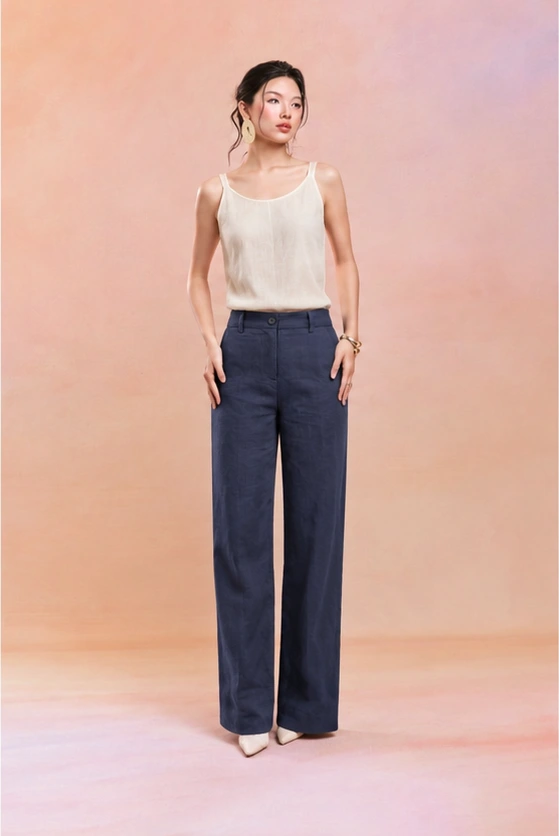
Start with a recurring issue rather than the idea that custom must be better. Perhaps standard trousers suit your waist but not your hips, shirt lengths feel wrong untucked, or you want more upper-arm room without a much wider body. Name the issue and the situation in which it matters.
Also identify what already works. If you like the shoulder position of a favourite shirt, say so. If a trouser has the rise you prefer but an unsuitable length, distinguish those points. A clearer brief preserves useful proportions instead of replacing every dimension at once.

Choose a design close to the result you want
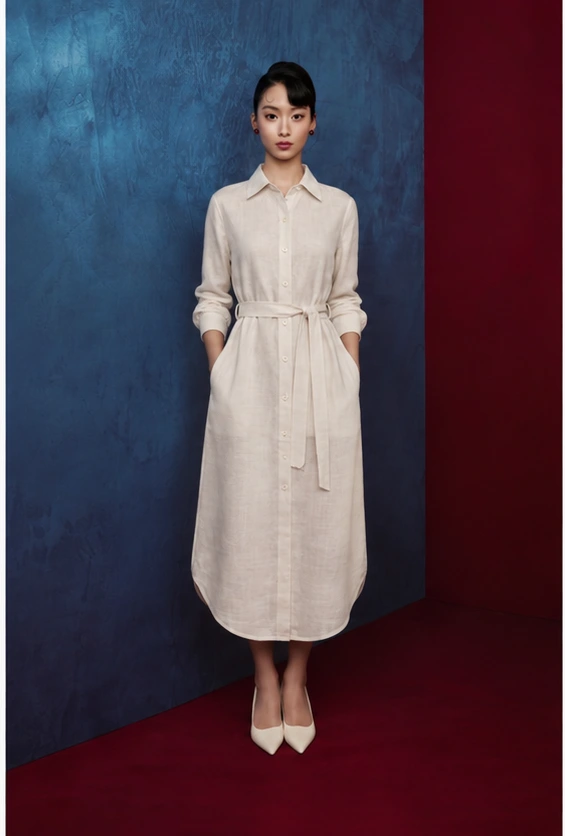
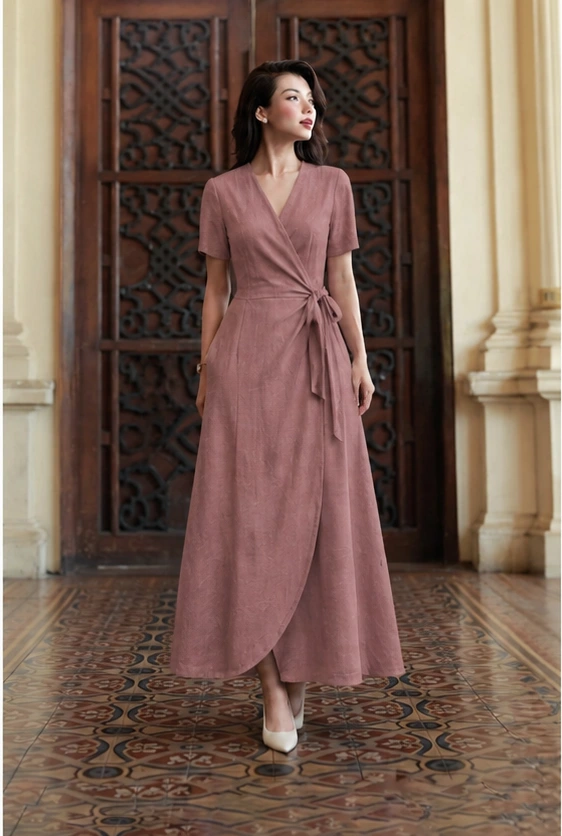
Made to measure begins more clearly when the listed garment already has the silhouette and main details you enjoy. A shift, wrap dress and shirt dress are not interchangeable starting patterns. Likewise, a relaxed shirt and a more structured shirt may not respond identically to the same fit request.
If you want substantial design changes, ask whether they are possible and how they would be quoted or confirmed. Do not assume the retail custom surcharge includes unlimited redesign. Sometimes another existing design offers a closer route to the desired neckline, opening or leg shape.
Keep body and garment measurements separate
The studio may ask for body measurements, a reference garment or both. Follow its method and label every figure with units and source. A doubled flat waistband width is not the same thing as a body waist measurement, even if the numbers happen to be similar.
Do not add guessed ease to body measurements unless instructed. The design may already include an allowance for movement and its intended outline. Explain the desired feeling separately: “I prefer room around the waist when seated” or “I like a relaxed outline with a cleaner shoulder.” This lets the studio interpret the figures within the chosen design.
Write a short note instead of a technical specification
A useful first note can state the design, intended activity and main fit priority. For example: “I will wear this dress for daytime lunches with flat shoes. I like the shirt-dress shape and would like to discuss sleeve room and finished length.” You do not need to decide the pattern changes yourself.
At LINENELLAR, the measurements-and-requests box is optional. You can leave it blank and discuss details with the studio before making. If a requirement is essential, however, mention it during confirmation rather than assuming it will be inferred from a size selection or product photograph.
Understand the price and confirmation stage
LINENELLAR’s made-to-measure route adds 20% to the selected product price. Check the current product and order summary for the amount relevant to your choices. Shipping and any destination charges should be reviewed separately; the custom surcharge is not a statement that every possible cost is included.
Before making, confirm the chosen design, colour, fit priorities and any accepted adjustment. Ask questions if the summary does not match what you intended. Keep a copy of the agreed information so you can refer to the actual brief rather than trying to remember a long exchange later.
Plan the calendar and understand the policy
Making and delivery are separate stages. LINENELLAR’s published guidance describes making after details are confirmed, followed by a separate shipping estimate. Review the shipping page for current terms and ask about feasibility before ordering for a fixed event. Do not treat an estimate as a guaranteed arrival date.
Read the returns and alterations information before choosing a genuinely personalised order. The applicable treatment may differ from a standard-size purchase, so clarify it in advance. Do not assume a custom label removes remedies for a manufacturing fault, or assume an unrestricted change-of-mind return without checking the policy.
Assess the first garment in real use
When it arrives, try it with the underlayers and shoes discussed. Sit, walk and move normally. Compare the result with the agreed priorities, including length and the specific activity that prompted custom fit. Natural creasing is different from persistent restriction or an incorrect agreed detail; describe any concern clearly.
Keep notes about what you enjoy as well as what needs discussion. Those observations can make a later order more precise, but do not order a large repeated batch before assessing the first piece. A successful first custom order is a well-understood process and a useful garment, not a requirement to master tailoring vocabulary or abandon standard sizing forever.
Continue reading
Pieces to explore
Three designs to compare with the ideas in this article. Open each product for current pricing, available choices and construction details; confirm any requested fit or design change with our studio.