You do not need tailoring vocabulary to begin a useful fit conversation. “The sleeve grips when I bend my elbow” can be more informative than using a technical term incorrectly. A clear description tells the studio what you experience, when it happens and what kind of outline you still want.
This is especially helpful when ordering linen online, where a photograph cannot show every aspect of movement and comfort. Your role is to explain your preferences accurately. The studio’s role is to confirm the information and assess what can be done within the chosen design.
Start with four ordinary questions
Name the garment you are discussing. Describe the activity that matters. Explain what feels wrong in a comparable piece. Then say what you want to preserve. These four points keep the brief specific without turning it into a long technical document.
For example: “I like this shirt’s relaxed outline. My current woven shirt pulls across my back when I reach towards a table. I would like easier movement without a much wider body.” This separates appearance from function and gives the studio a reason to ask targeted follow-up questions.

Replace vague adjectives with situations
Comfortable, flattering, loose and modest are useful starting words, but people interpret them differently. Add the situation that gives the word meaning. Comfortable might mean sitting through lunch without waistband pressure. Loose might mean room around the waist while keeping a fairly clean shoulder line.
Coverage preferences can be explained in the same way: “I would like the neckline to feel secure when leaning forward,” or “I prefer the hem to cover my knee when seated.” These are desired outcomes, not guarantees that every listed design can achieve them. Ask which design is an appropriate starting point.
Describe a sensation without diagnosing the pattern
You can report pulling, pressure, slipping, bunching or the need to readjust. You do not need to decide that the armhole is too low or the rise must increase by a certain amount. Several design factors may contribute to one experience, and a photograph alone may not identify the cause.
Use a normal activity rather than an exaggerated pose. If the shirt is for everyday wear, show or describe ordinary reaching and sitting. If the trousers are for travel, explain that use. This helps keep the assessment connected to the garment’s real job instead of an abstract ideal fit.
Tell the studio what already works
An existing garment can provide positive information as well as a complaint. You may like its shoulder position, sleeve length or waistband height even if another part is wrong. Identify those details so the request does not become “make everything bigger” or “make everything smaller.”
If a reference is useful, ask how to measure it. Label the figures as garment measurements and keep them separate from body measurements. Do not stretch a garment flat to create a desired number or add guessed room to body figures. The studio needs to know what each measurement represents before using it.
Include the outfit context
Say whether the shirt will be tucked, untucked or layered over another top. Mention the shoes intended for trousers and any outer layer that must fit over sleeves. These details can influence length and room in ways that a body measurement alone does not express.
You can keep this concise: “Untucked, over a light sleeveless top, usually with flat shoes” may be enough to begin. If a fixed occasion matters, give the date as a timing question rather than assuming the order is automatically accepted for that deadline. Ask about feasibility before making is confirmed.
Use photographs selectively and respectfully
A reference photograph can show a hem position or an outline you enjoy, but it should not be treated as a complete specification. Explain which detail matters rather than asking to copy an entire image. Choose images you are comfortable sharing, and do not send private medical information simply to explain an ordinary clothing preference.
If the studio asks for a particular view or measuring image, follow that request and keep the purpose clear. Avoid sending many unrelated inspiration pictures that contradict one another. A small set of labelled references is easier to interpret than a large folder with no explanation.
A plain-language note you can adapt
Use this structure: “I am interested in [listed design]. I will wear it for [ordinary activity] with [relevant layer or shoes]. I like [shape or detail]. In my current garment, [specific experience]. Please confirm what information you need and whether this design is suitable.” Replace each part with your own facts rather than copying someone else’s measurements.
LINENELLAR provides one optional measurements-and-requests box for made to measure, at a 20% surcharge on the selected product price. You can leave it blank and discuss details before making. If you do write a note, plain language is welcome; clarity matters more than terminology.
Before confirmation, read back the agreed design, fit priorities and any accepted adjustments. Ask if something remains unclear. A useful brief is a shared understanding of what is being made, not a test of how much tailoring language you know.
Continue reading
Pieces to explore
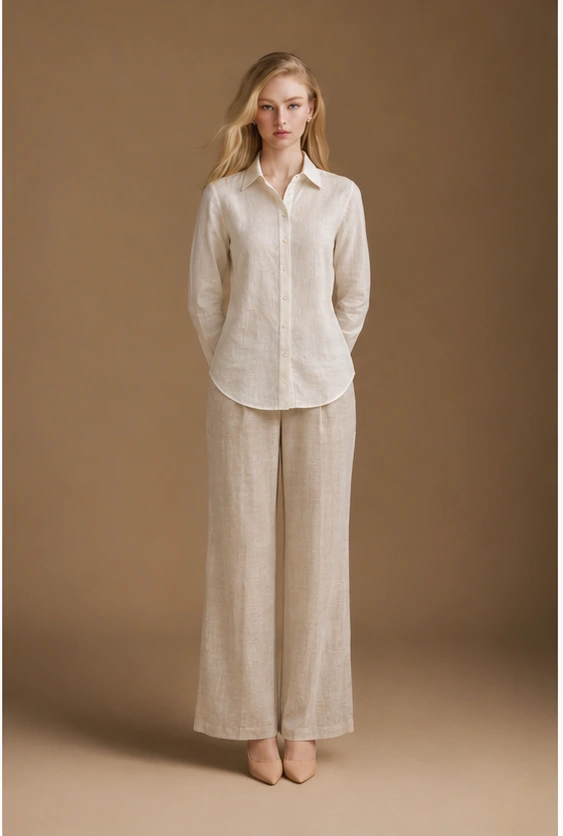
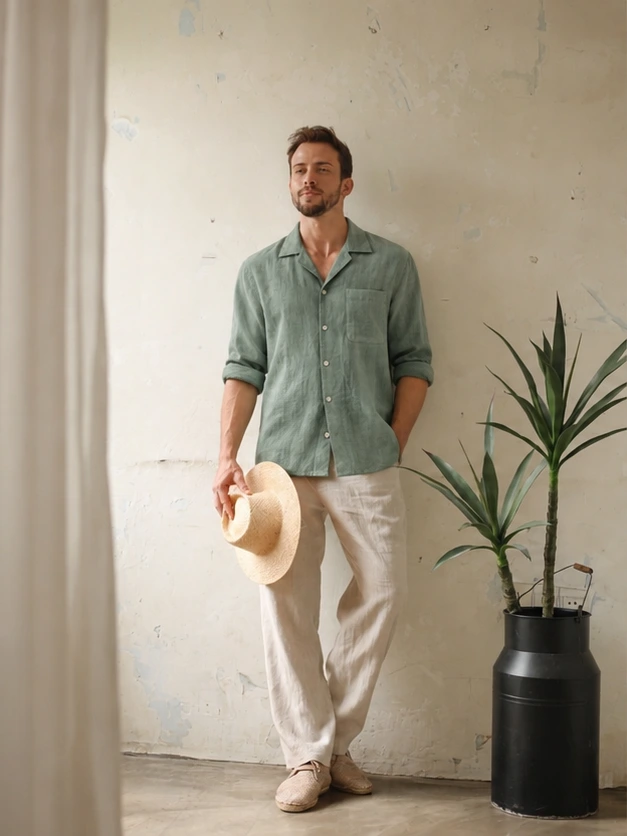
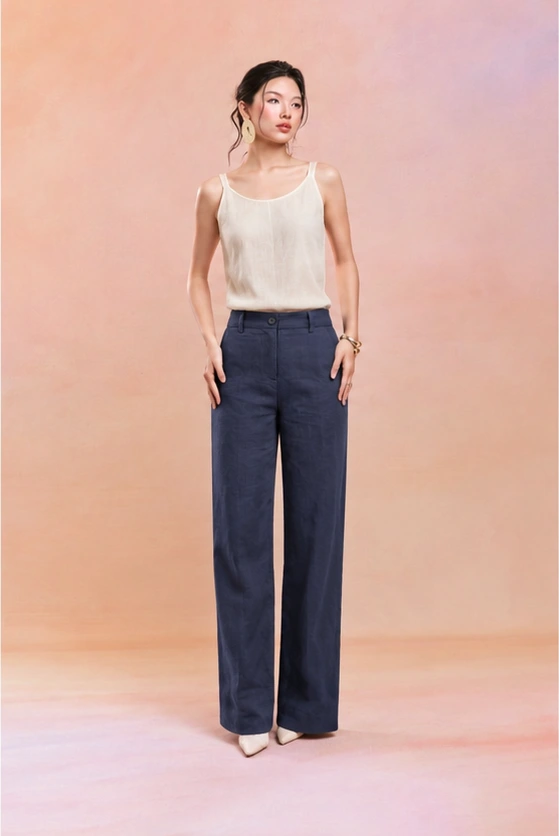
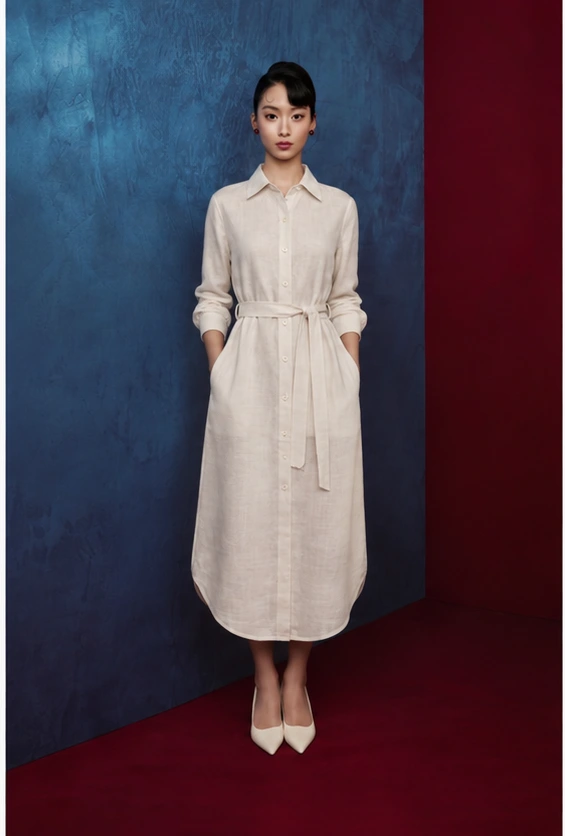
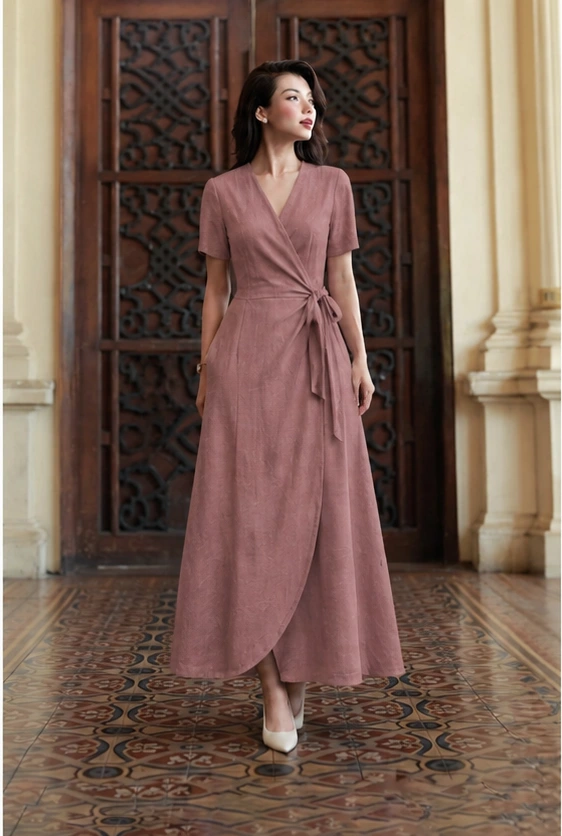
Three designs to compare with the ideas in this article. Open each product for current pricing, available choices and construction details; confirm any requested fit or design change with our studio.