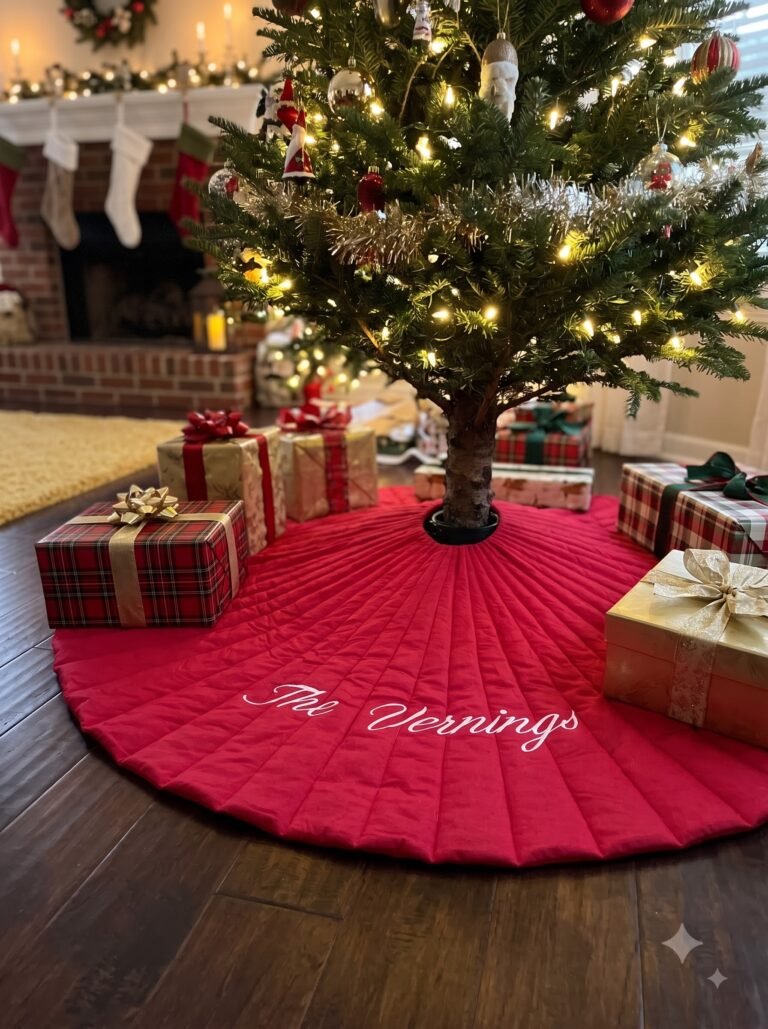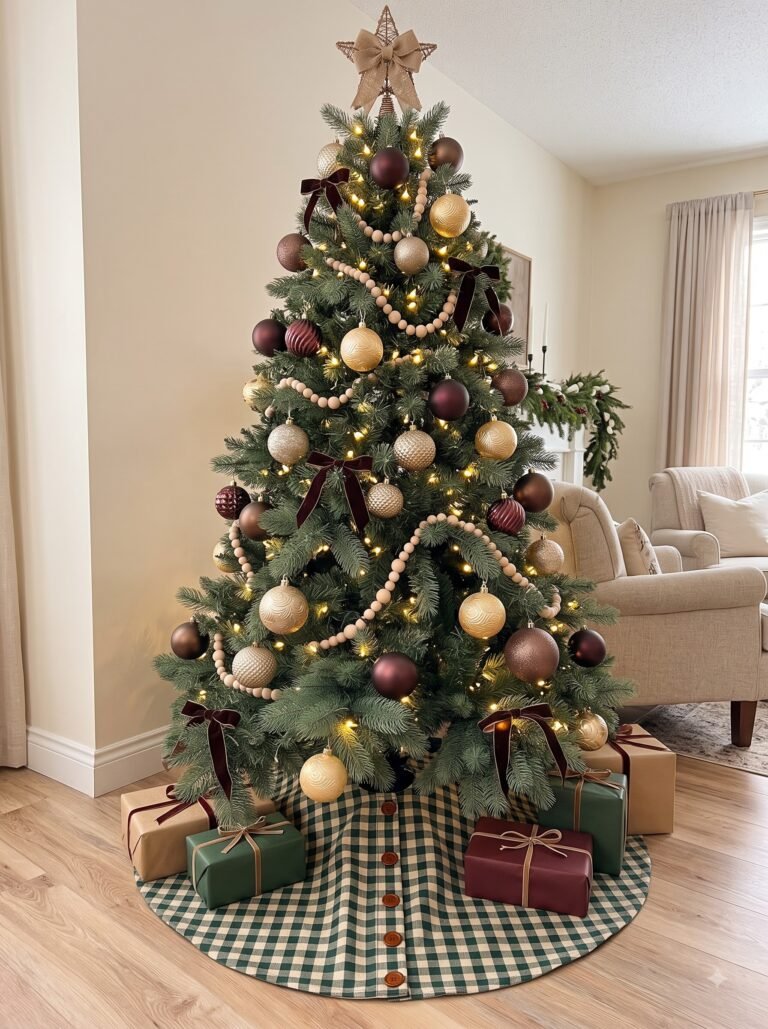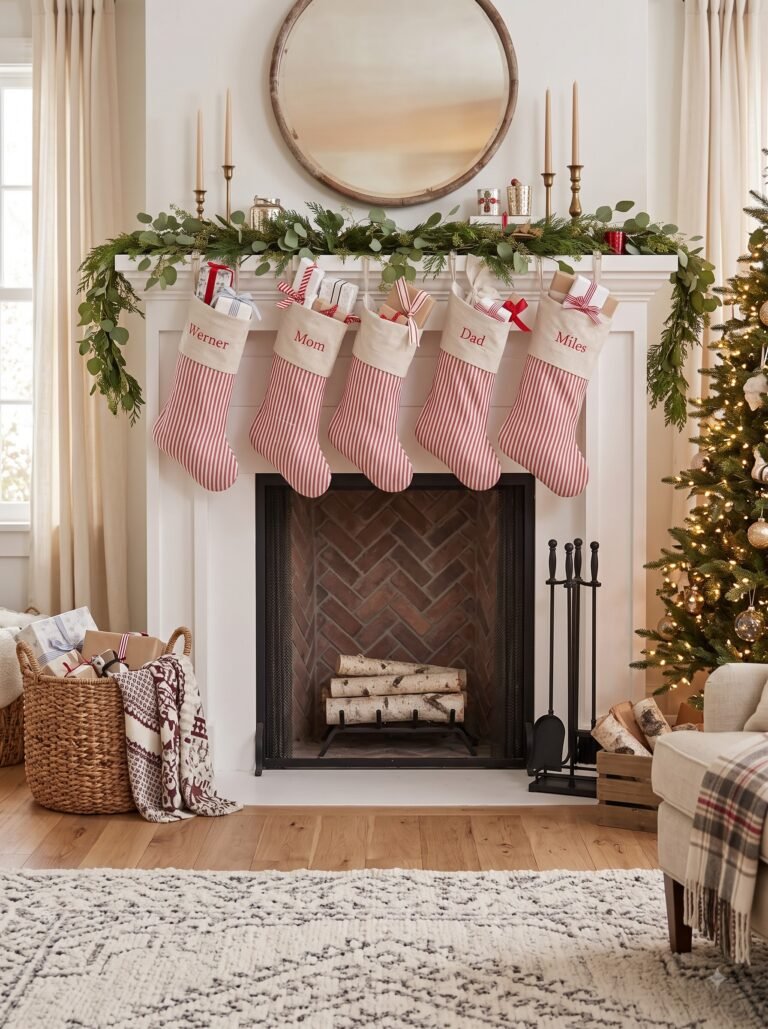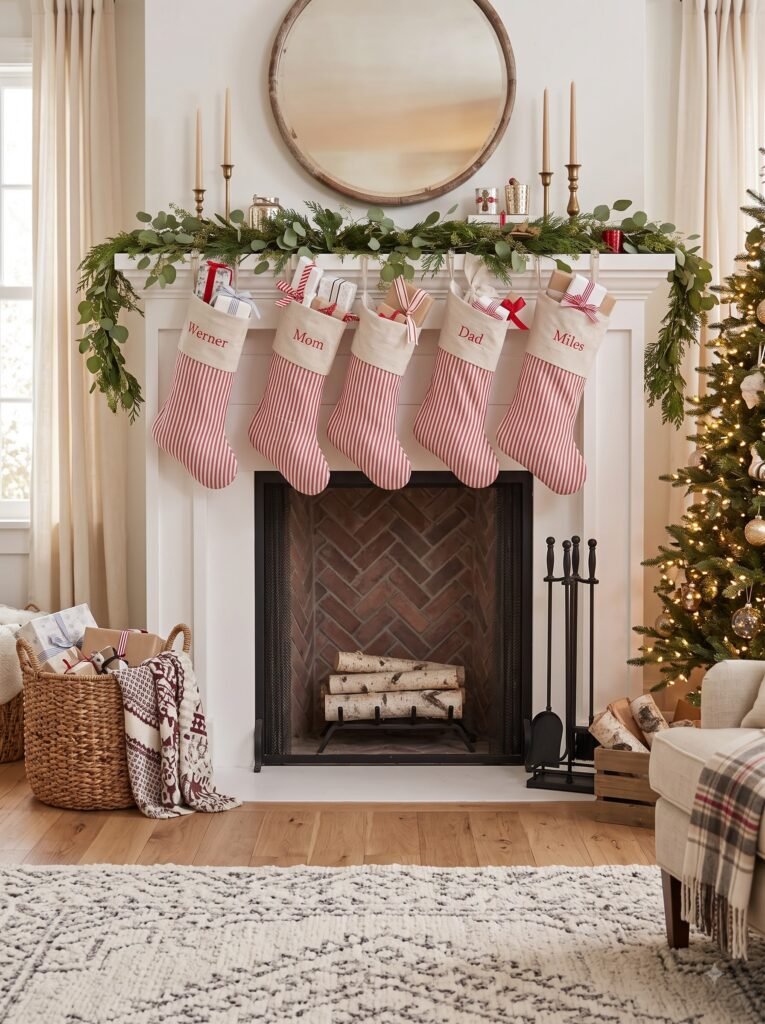

The way decorations are packed in January affects how easy they are to use next December. Separate textiles by material and keep a record of any custom dimensions.
Pack the collection so next year's setup is easier
Follow the care instructions for each item and let fabric dry fully before packing. Avoid placing heavy objects on delicate folds or personalized details, and choose a dry storage location.
Seasonal storage is an opportunity to preserve the information behind a custom order as well as the textile itself. Keep care instructions, dimensions and matching product names together. Inspect pieces before packing so any cleaning question can be addressed without urgency next season. Different materials and decorative details may need different handling, so store them with their individual guidance rather than treating the collection as one washable set.
A realistic decision in your own home
Photograph the finished arrangement and store the image reference with a simple inventory. Note which skirt fits which tree stand and which sack belongs to each person. These records make a future replacement or addition easier to discuss without trying to reconstruct an old specification from memory.
A practical way to test your idea
Attach a simple storage note listing the product name, finished dimensions and any matching pieces. This makes it easier to expand a coordinated collection in a future season.
A common ordering mistake
Do not apply the same cleaning method to linen, cotton and velvet simply because the pieces share a holiday palette.
Should I wash every decoration before storing it?
Follow the individual care instructions and assess the actual condition. Do not apply one washing method to linen, cotton and velvet or to every personalized detail. The important practical point is to store clean, fully dry pieces in suitable conditions, with their care information retained.
Keep care information attached to the actual piece
A seasonal collection can include several fibers and personalized details, so its storage notes should distinguish the items. Retain the individual care information alongside the dimensions and product reference. Photograph how a skirt or stocking group was arranged before packing it away. These records are useful if you want another piece later or need to discuss cleaning without having the original listing at hand. Organization preserves the specification as well as making the next setup easier.
What information is most useful on a storage label?
Include the product name, material description, dimensions and the location or person it belongs to. Add any particular care guidance supplied for that item. A concise record is more useful than a generic label saying Christmas textiles.
| Information | What to explain |
|---|---|
| Stand and available floor area | Measure the widest projecting part of the stand and identify nearby doors or furniture. These constraints help explain what the decorative piece needs to cover. |
| Finished diameter and central opening | State the full intended width across the skirt. Ask how the opening and access to the base are handled, rather than inferring those details from an overall size. |
| Appearance and final arrangement | Describe whether you want a narrow visible border or space around presents. Send a photo of the actual setup so the proportions can be discussed in context. |
Pieces to explore