
Flat shoes can be the first decision in an outfit rather than the compromise at the end. If they are what you enjoy wearing, choose linen lengths and proportions around them from the start. There is no need to buy trousers with an imagined future heel height or a dress that only feels finished with shoes you rarely use.
The useful question is not whether flat shoes are elegant enough. It is whether the whole combination works as you intend: the hem clears the ground, the shoe feels right for the outing, and the top and bottom create the outline you like. Those details can be assessed without following a rule about age or body shape.
Begin with a specific pair, not the word flats
A slim ballet flat, a substantial loafer and a flat sandal have different visual weights and different shapes around the foot. Lay the actual pair beside the proposed outfit. Notice the sole, toe shape and how much of the upper foot is visible. These details influence how a trouser hem or skirt reads.
The same trousers can look and feel different over a narrow flat and a thicker walking shoe. If you expect to alternate between them, test the length with both. You may prefer a length that works reasonably with each, or decide that one pair of trousers has a more specific role. Neither decision requires every garment to be universally versatile.

Decide how the trouser hem should meet the shoe
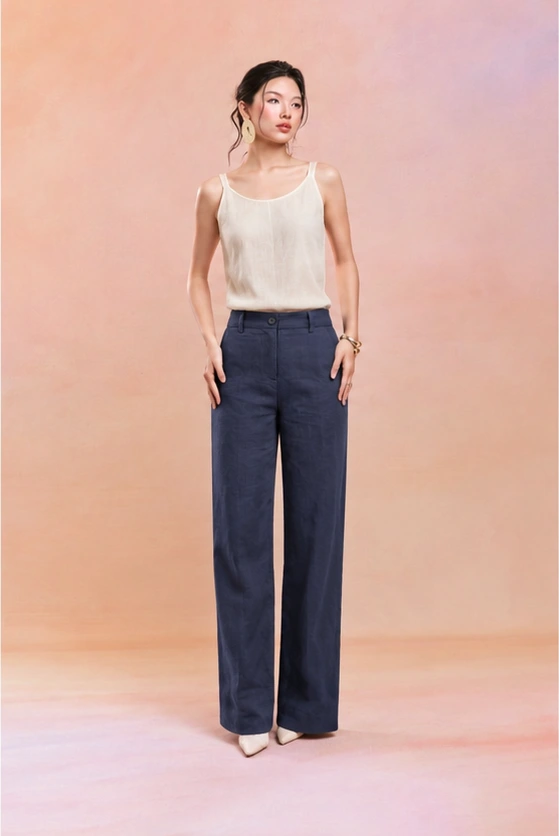
For full-length trousers, consider whether you like a clean line above the shoe or a small amount of fabric meeting it. Then check that the back hem stays clear of the ground during normal walking. Do not copy an inseam from a photograph without considering rise and waistband position on your own body.
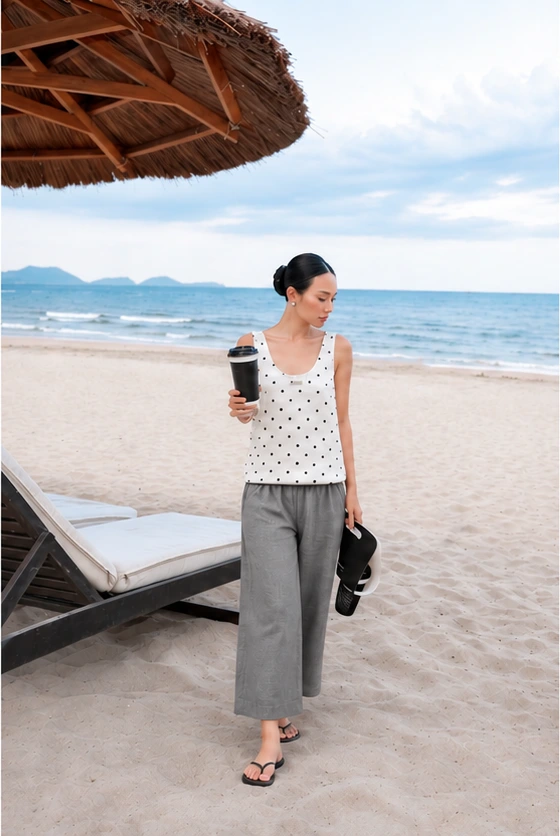
For cropped trousers, decide where you enjoy the break between fabric and shoe. There is no required amount of ankle to show. If you prefer more coverage, a longer direction may work better than forcing a cropped design to imitate full-length trousers. Ask the studio whether the selected design supports the finished length you want.
Consider dresses while walking and sitting
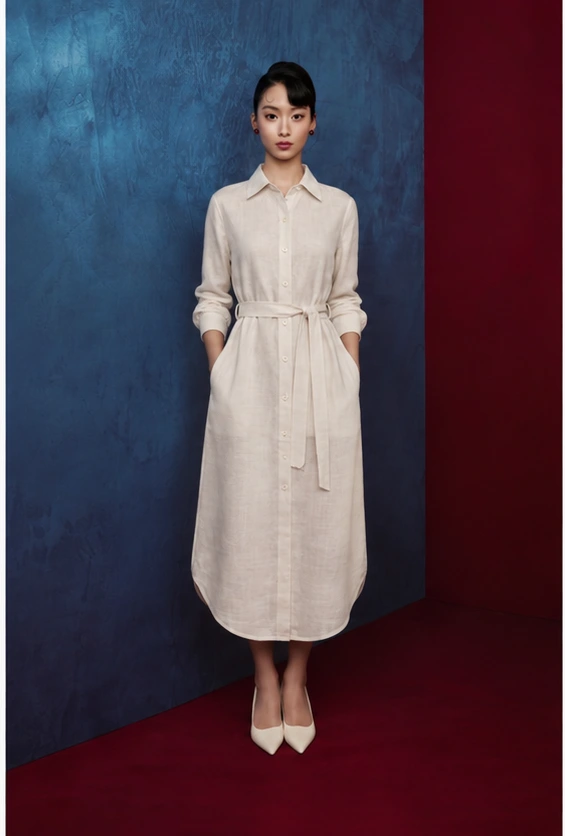
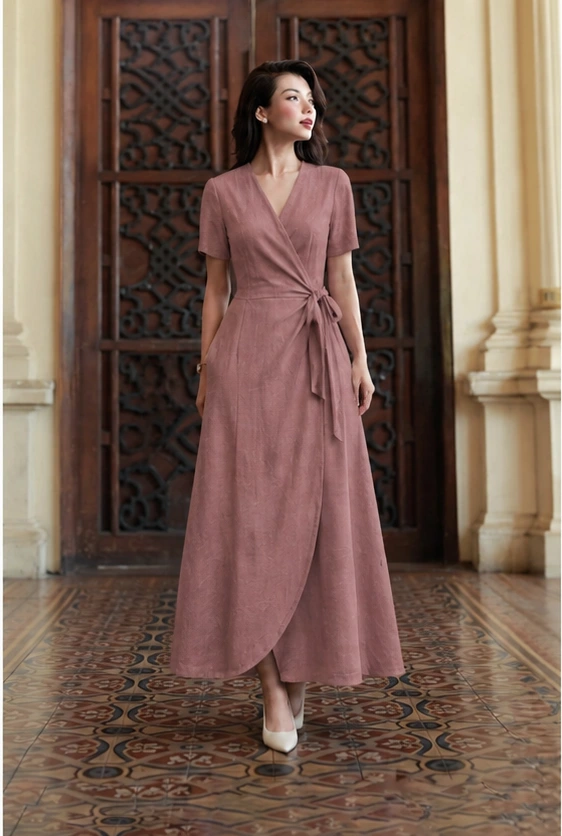
A dress hem that looks balanced standing may behave differently on steps or while seated. Try a comparable dress with the flats you use and check an ordinary stride. If the skirt is narrow, assess room at the hem as well as overall length. If it is full, notice how the fabric moves around the shoe.
Use a temporary fold on a reference dress to compare lengths before requesting an adjustment. This is a way to identify your preference, not a recommendation to alter a new purchase immediately. Record the finished-length reference and ask how the studio wants it measured, especially if your reference garment has a different shoulder or waist position.
Balance the top without rigid formulas
A shorter top can reveal more of a trouser shape; a longer shirt can create a continuous relaxed line. Both can work with flats. Instead of applying a rule about thirds, try the actual pieces together and ask which part of the outfit you want to notice first.
If the trousers are generous, a tucked shirt may define the waist, but it is not compulsory. If the dress has a clear waist, an open layer can soften it without hiding the whole design. Check the side view and the seated feel too. A proportion that only works when you stand very still may not be useful for everyday wear.
Use colour and accessories after length is settled
Shoes close in shade to the trousers may create continuity, while a contrasting pair can be a deliberate focal point. A bag or piece of jewellery can repeat the shoe colour without requiring an exact match. Choose what relates to your existing wardrobe rather than buying an entire set of new accessories.
The linen shade library is useful for comparing directions, but screen colour is not a physical match guarantee. If matching an important existing item, explain that priority and ask what information or fabric confirmation is available. Resolve fit and hem length separately from colour.
Make the order brief footwear-specific
A useful note is: “I plan to wear these trousers with flat loafers. I prefer the hem clear of the ground with a clean line at the front. Please confirm the measurements you need at my intended waistband position.” This is clearer than asking for a standard petite or tall length without explaining the shoe.
For LINENELLAR, standard sizes are available alongside made to measure at a 20% surcharge on the selected product price. The note is optional and details are confirmed before making. If you choose standard sizing, still check the listed length and any questions about its measurement before ordering.
The cropped, straight and dress options below are different starting points for flat-shoe outfits. Choose the shape you enjoy, then make the hem and footwear work together. Comfortable shoes should support your style rather than require an apology for it.
Continue reading
Pieces to explore
Three designs to compare with the ideas in this article. Open each product for current pricing, available choices and construction details; confirm any requested fit or design change with our studio.

Comments (2)