
LINENELLAR’s signature lightweight cloth is 100% natural linen at 150 GSM. It is selected and carefully finished for an airy feel and visible natural texture. To decide whether it suits a particular garment, use that weight alongside the shade, weave, construction and fit. A fabric specification is useful information, but it cannot answer every question about a finished piece.
Read 150 GSM as an area-weight statement
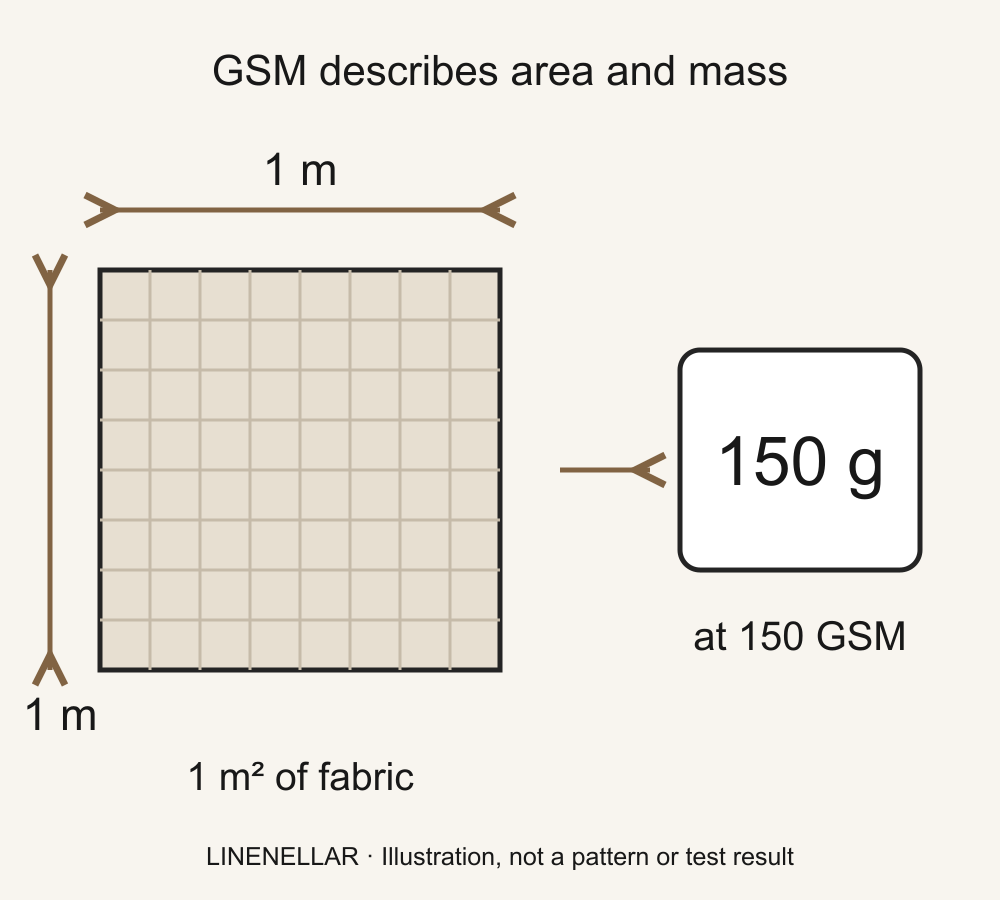
GSM means grams per square metre. A one-metre by one-metre piece at a stated 150 GSM corresponds to 150 grams of fabric. That is not the weight of a finished shirt or pair of trousers: their fabric area, pockets, fastenings and other components differ.
Use the number to understand the material being described, not to rank every fabric as better or worse. Two cloths of the same mass can have a different surface and fall; a heavier fabric is not automatically more premium, and a lighter one is not automatically right for every garment.
Separate four questions when looking at linen
| Question | What to examine | What the GSM number leaves open |
|---|---|---|
| Texture | Close views of yarn, weave and surface | How the actual surface looks and feels |
| Drape | The cloth in the selected cut, standing and moving | How much structure or flow the garment has |
| Coverage | Shade, layers, light and fit | What is visible under the conditions in which you will wear it |
| Comfort | Garment room, underlayer and activity | Whether the shoulder, seat or arm area permits the movement you need |
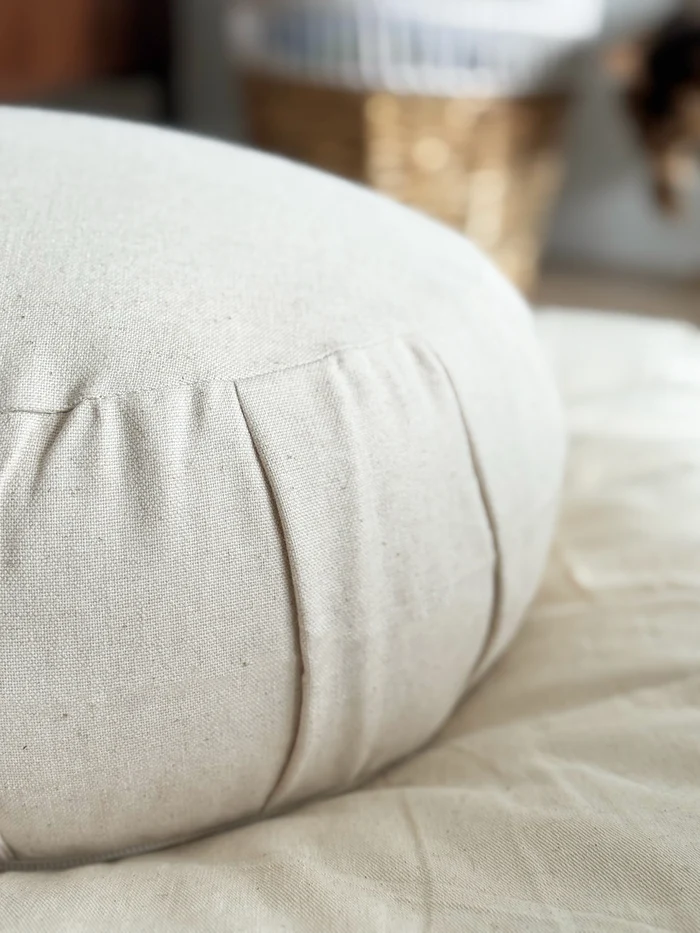
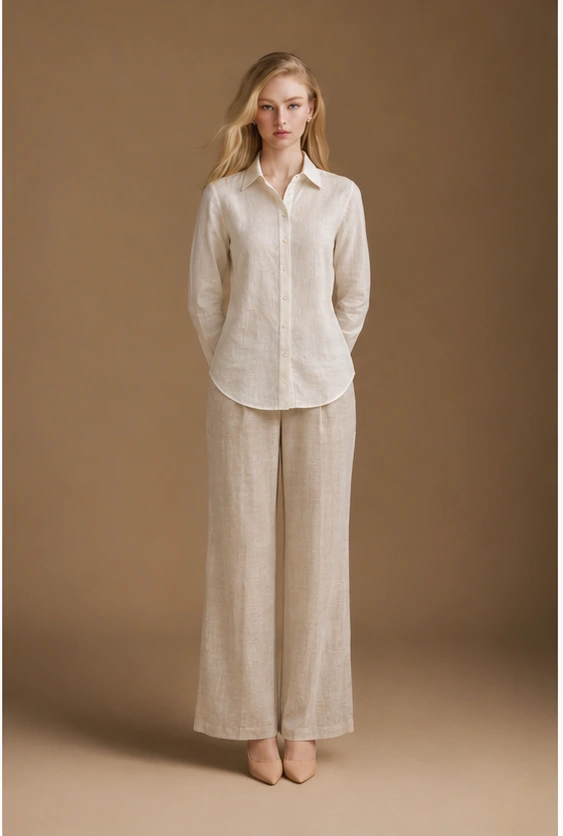
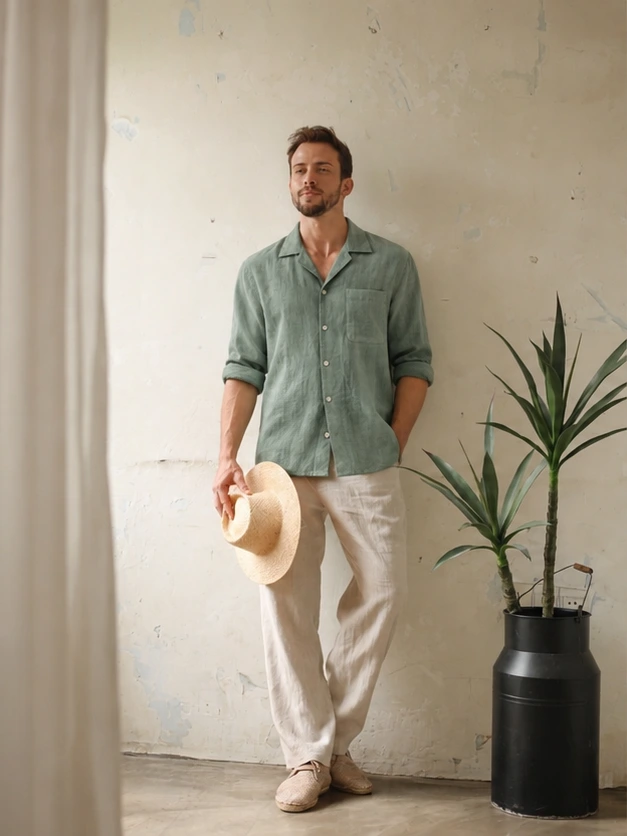
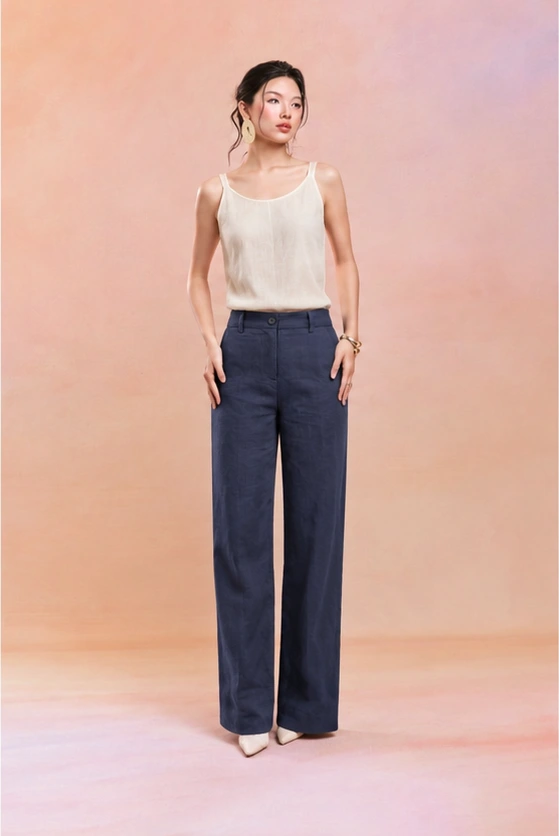
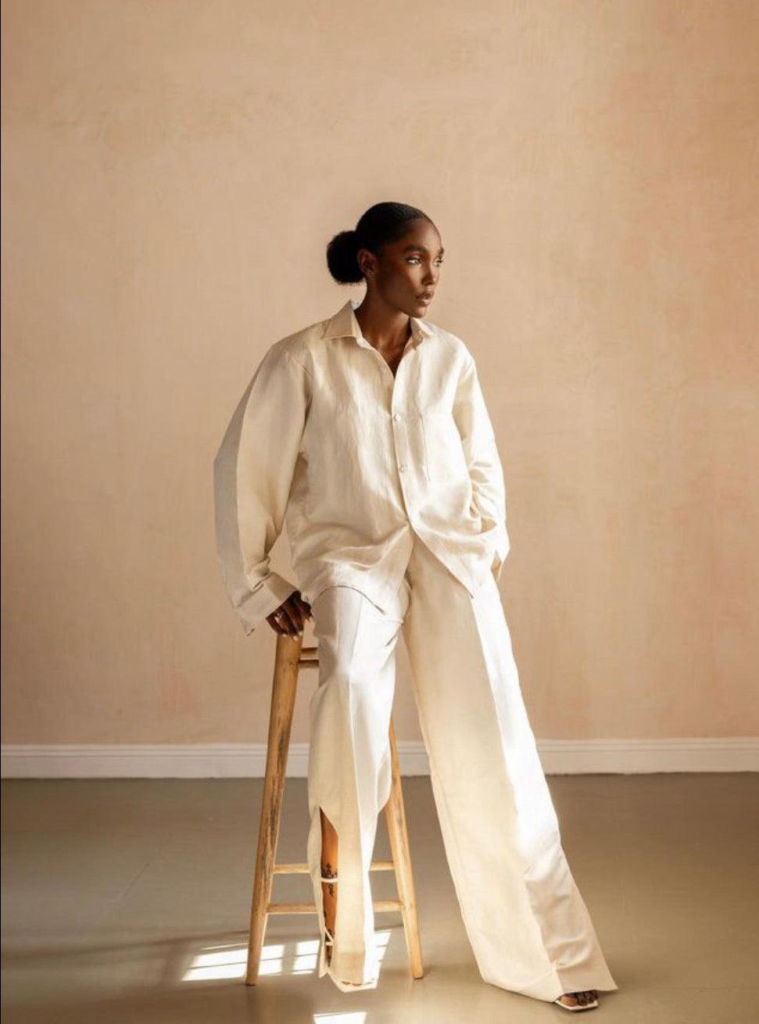
In a catalogue, distinguish a texture detail from a complete garment view. A close image may help you see the surface but cannot demonstrate the full trouser’s fall. A styled model image shows a shape in one pose, not a material test.
Choose the garment before assuming the result
A loose shirt leaves different space around the body from a shaped top. Wide trousers distribute more cloth through the leg than a straighter cut. A jacket may use construction details that a simple top does not. Those differences can be noticeable even when the main fabric specification is the same.
For a custom piece, decide what you want the material and silhouette to do together. A useful enquiry could be: “I want an airy shirt worn outside the waistband, with room when reaching, in the pictured relaxed direction.” It says more than asking for 150 GSM to guarantee comfort.
Check a light colour for its intended setting
Light shades deserve a separate coverage discussion. Consider front lighting and backlighting, the planned underlayer, and whether you need coverage while sitting or walking. Extra garment width is not a substitute for choosing suitable fabric and construction.
Use the white-linen coverage guide to prepare those questions. A digital colour swatch helps select a direction; it is not a physical sample or an opacity result.
Keep material, care and fit in one decision
Read the composition on the actual product. The wider home collection includes other materials, so the brand’s signature linen specification should not be applied to every cotton or velvet item. Follow the finished piece’s care guidance, including any requirements caused by linings or trims.
Before approval, record the design, shade, material, important fit preferences and any essential coverage requirement. Explore our linen, the 27-colour library and the custom service. The strongest choice connects the stated cloth to the garment and use you actually have in mind.
Pieces to explore

Comments (6)