Helping a parent order clothing online can be useful when they want another pair of eyes, assistance reading product details or help navigating the checkout. The most important part is keeping their preferences central. Being older does not tell you which silhouette, colour or level of coverage they want.
Start by asking what kind of help would be welcome. They may want technical assistance while making every style decision themselves, or they may enjoy discussing options together. Treat that distinction as part of the process rather than assuming that help with a website means permission to choose the clothes.
Begin with what they already enjoy wearing
Ask which shirt, dress or pair of trousers they reach for most and why. Listen for practical details: a favourite neckline, comfortable sleeve, useful pocket or preferred waistband position. These observations can guide the search more accurately than a broad category such as clothing for older people.
Also ask what they would like to change. Perhaps a familiar style now feels too long, or a trouser fits standing but not sitting. Avoid turning every comment into a body critique. The discussion is about how the garment serves them and which details they want to keep.

Narrow the choice without removing choice
Show a small group of relevant designs rather than a screen full of possibilities. Explain why each might be worth comparing, then let your parent reject or prefer them. A simple distinction such as shirt dress, straight dress or separates can be easier to discuss than a long list of fashion terms.
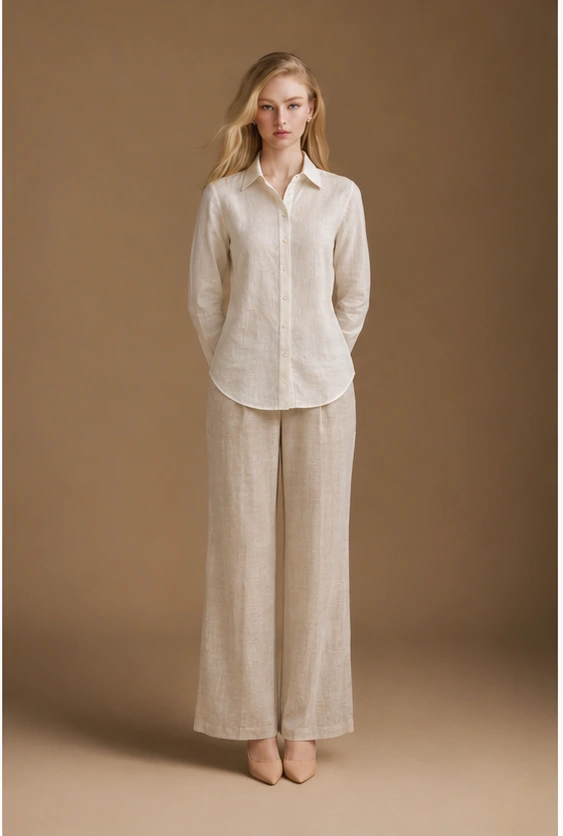
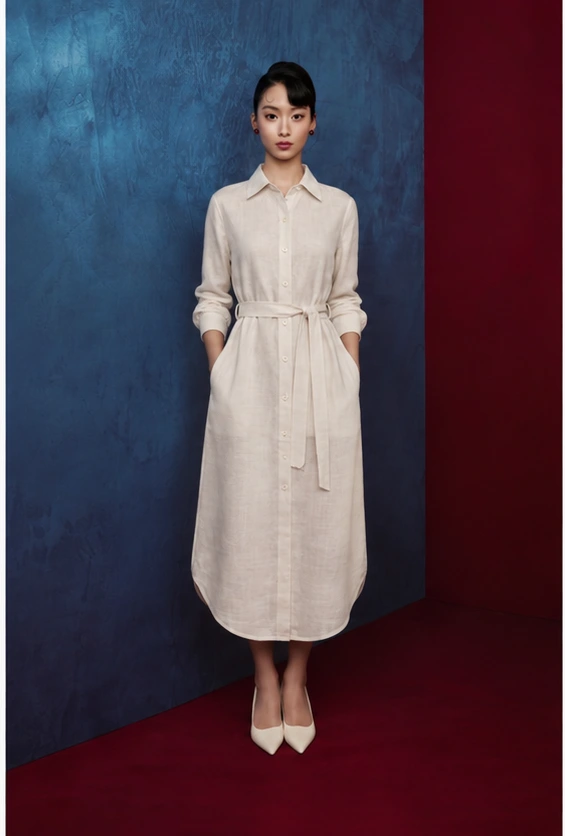
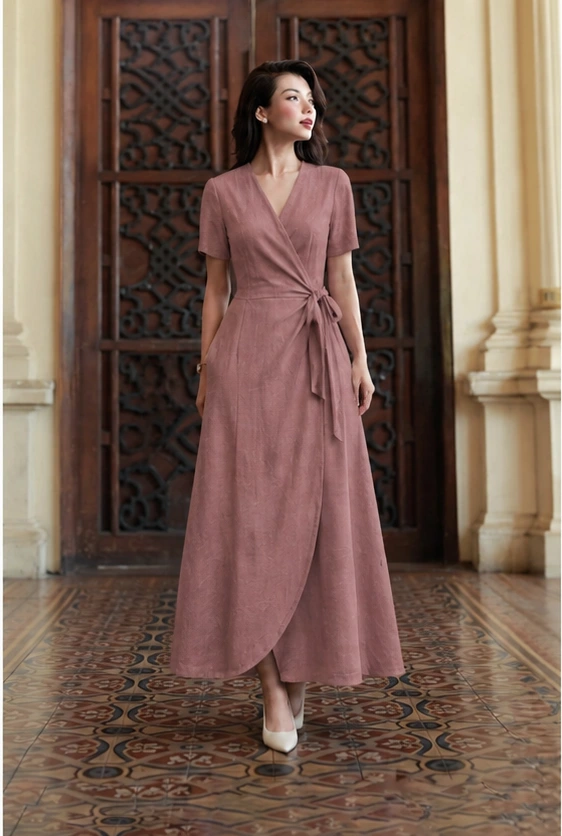
Use the product photographs as design references, not as a prediction that the outfit will look identical on a different person. Do not suggest that a model’s age determines who may wear the garment. Ask which shape and details appeal to the person who will actually own it.
Make fit information understandable
Read the size guide together and establish whether the figures describe the body or a finished garment. If using a reference piece, ask the studio for the measuring method. Label units and sources clearly rather than mixing flat widths, circumferences and familiar size labels.
Do not add guessed allowances to measurements to make the order safer. Explain the comfort preference separately and allow the studio to confirm what it needs. A note such as “prefers room across the upper back when reaching forward” is clearer than silently increasing several numbers.
Protect privacy while asking useful questions
An ordinary fit conversation rarely requires sharing detailed medical history. Describe the clothing preference or dressing task instead, unless your parent chooses to provide further relevant information. Get their agreement before sending personal measurements or photographs, and share only what is needed for the order.
If taking a measuring photograph, explain its purpose and where it will go. Let your parent decide whether they are comfortable with it. You can ask the studio whether another type of reference would work. Assistance should make the process more accessible without removing control over personal information.
Check colour and fabric expectations together
Compare the available linen shades with clothes and shoes your parent already owns. Ask whether they want a familiar shade or something different. Do not choose a neutral automatically because it seems more age appropriate to you.
Explain that screen colours are references rather than exact physical standards. If opacity, matching or a specific underlayer matters, ask about the selected fabric and construction before ordering. Make sure the person who will wear the garment understands what is confirmed and what remains a visual reference.
Review the order in plain language
Before paying, read back the design, selected colour, fit route, quantity and any notes. For a set, distinguish top and bottom information. Make sure an earlier choice has not remained selected accidentally while you discussed another option. If something is unclear, pause the order and ask rather than guessing on someone else’s behalf.
LINENELLAR’s made-to-measure option adds 20% to the selected product price. Its single note box is optional, and the studio confirms details before making. Explain that route alongside standard sizing and review the returns information together, especially when a genuinely personalised order is being considered.
Plan delivery and the first try-on
Check the making and shipping guidance against any occasion date, and leave time to try the complete outfit. When it arrives, let your parent describe the fit first. Ask about comfort in normal sitting and movement instead of judging only a standing photograph.
Keep the agreed brief and order details available in case a question needs to be raised. The product suggestions below are conversation starters, not choices to make for someone. A successful assisted order is one your parent understands, wants and recognises as their own decision.
Continue reading
Pieces to explore
Three designs to compare with the ideas in this article. Open each product for current pricing, available choices and construction details; confirm any requested fit or design change with our studio.